
Signs Inside: Types, Materials & Smart Ideas for Your Business Interior
Walk into any well-run office, café, or clinic, and you will notice something before you notice almost anything else: the signs inside. A logo on the lobby wall, a name beside a meeting-room door, an arrow pointing toward the restrooms. These small details quietly tell visitors who you are and where to go.
This guide explains the main types of interior signs, the materials they are made from, how lighting and accessibility rules fit in, and how to choose the right option for your space. It is written for business owners who want clear answers before they spend money.
What Are Signs Inside a Business?
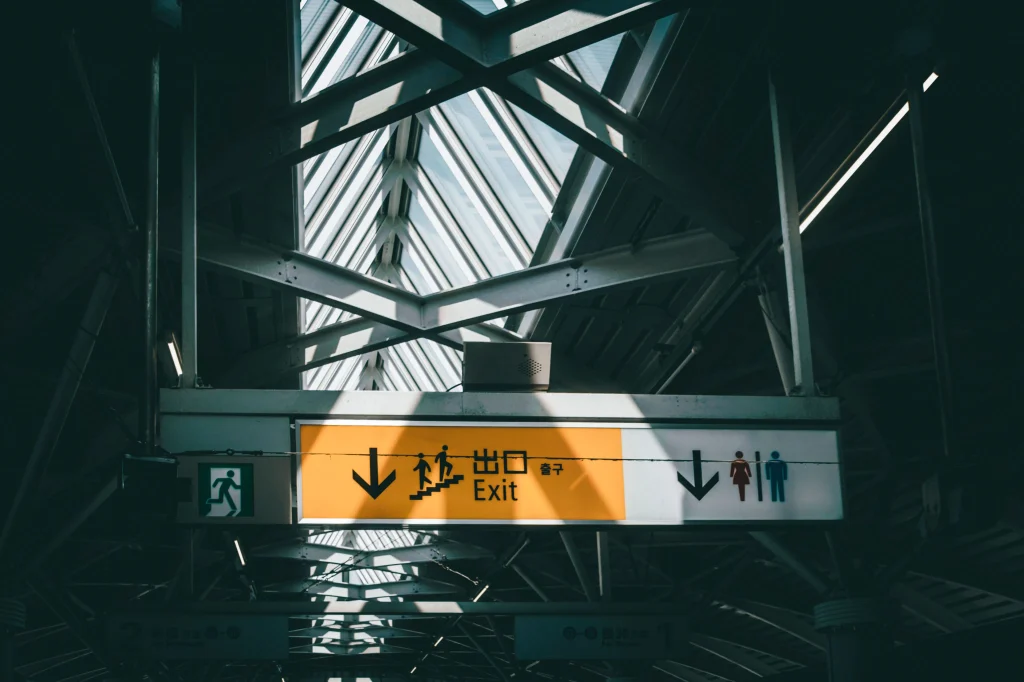
Signs inside a business are any signs mounted, hung, or applied within a building to identify spaces, guide people, share information, or express a brand. Examples include a lobby logo, a door nameplate, a directional arrow, a menu display, and a printed wall graphic. You may see them listed as interior signs, signs inside, or signs interior to a building, but the meaning is the same.
Unlike exterior signage, an interior sign does not have to fight rain, wind, or direct sun. That frees you to choose finer finishes, softer lighting, and more delicate materials. It also means people read it up close, often within a few feet, so every edge, seam, and color is visible.
Most interior sign programs combine five groups:
- Identification signs: room names, numbers, and nameplates
- Directional signs: arrows and maps for hallways and elevator lobbies
- Informational signs: directories, opening hours, policies, and menus
- Regulatory and safety signs: exits, restrooms, fire, and first aid
- Brand signs: logo walls, dimensional lettering, neon, and murals
Why Interior Signs Matter for Your Brand and Customers
Your exterior sign gets people through the door. The signs inside decide what they think once they are there. A clean, consistent set tells visitors that the business is organized and cares about detail. A mix of mismatched paper notices says the opposite, even when your service is excellent.
Interior signs also do practical work. Good wayfinding reduces the number of times staff are stopped with “where is…?” questions. Clear room signs help new clients, delivery drivers, and patients arrive on time and feel calm. Safety and accessibility signs keep the building usable and inspection-ready.
Consistency is the quiet benefit. When the lobby, corridors, and meeting rooms share the same fonts, colors, and materials, the whole space feels like one designed environment. Visitors may not consciously notice this, but they feel it, and it supports the professional image you want to project.
Finally, a logo on the reception wall is seen at arrival, during waiting time, and again on the way out. Few advertisements get that much uninterrupted attention, which is why a well-made interior sign often pays back more than owners expect.
Types of Signs Inside: Which Ones Does Your Space Need?
Every space is different, but these are the interior sign types most businesses end up using.
Lobby and Reception Signs
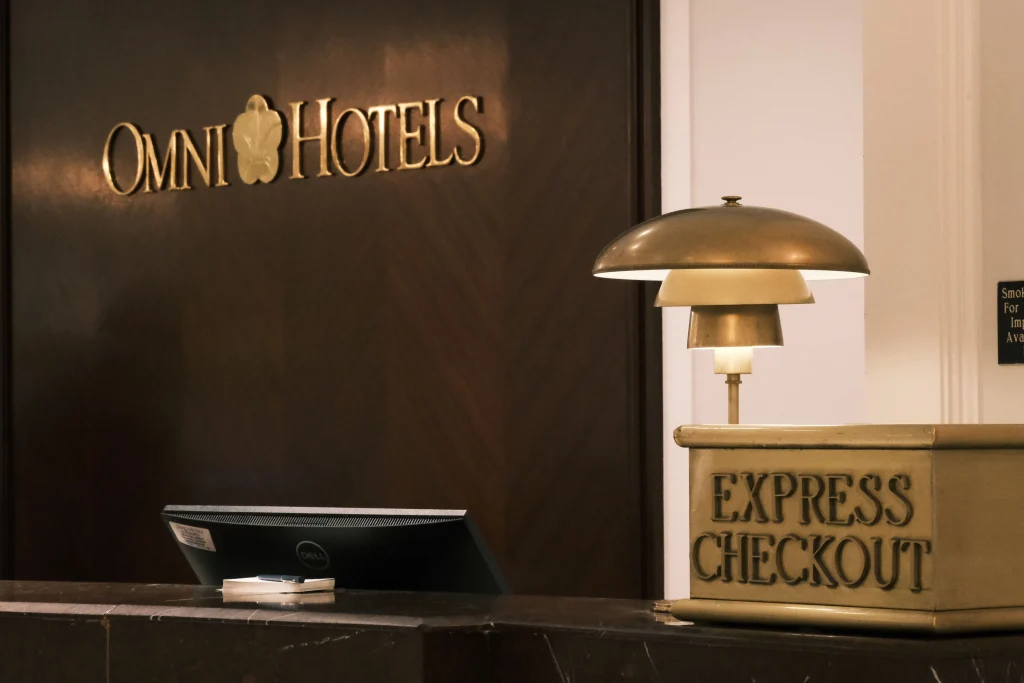
The lobby sign is the centerpiece of your interior. Usually placed behind the front desk, it carries your logo and company name and sets the tone for the visit. Brushed metal, acrylic, and dimensional letters are the usual choices. Because this wall is seen by every visitor, it is the first place to invest in quality.
3D Dimensional Letter Signs

Raised letters and logos cast soft shadows and create a depth that a flat print cannot match. Mounted slightly off the wall with standoff hardware, they feel premium and architectural. Our 3D dimensional letter signs are a popular pick for lobbies, boardrooms, and retail feature walls.
Neon and LED Lightbox Signs
Indoors, light becomes part of the décor. Custom neon signs suit restaurants, bars, salons, and creative studios, where atmosphere matters. LED lightbox signs deliver even, glare-free illumination for menus, clinic logos, and retail displays.
Hanging Signs
Ceiling-mounted hanging signs mark zones in large rooms, such as bakery counters, store departments, or open-plan work areas. They stay visible from far down an aisle, where wall signs would be hidden behind people and shelving.
Laser-Cut Metal Signs
Precision-cut laser-cut metal signs deliver crisp edges and intricate logo details in aluminum, stainless steel, or brass. They work well in corporate lobbies, law offices, and hospitality spaces that want a refined look.
Wayfinding, Door, and Room Signs
These are the working signs of the building. Door nameplates, room numbers, restroom signs, and directional arrows help people move without asking for help. Consistency matters more than style here: the same fonts, colors, and mounting positions should repeat throughout the building.
Wall Graphics and Murals
Cut vinyl and printed graphics turn a blank wall into a branded one, usually at a lower cost than fabricated signs. They suit short-term campaigns, break rooms, and spaces that change often.
Best Materials for Interior Signs
Because interior signs are protected from the weather, you can choose by look and feel first. These are the most common options:
- Acrylic: glossy, clean, and available in many colors and thicknesses. It can be cut into shapes, engraved, or edge-lit, which makes it a strong all-round choice for modern offices and clinics.
- Metal (aluminum, stainless steel, brass): brings weight and permanence. Brushed finishes hide fingerprints, while polished finishes reflect light. It is ideal for lobbies and corporate branding.
- PVC: light, smooth, and printable, with a good balance of price and quality. Our guide to PVC signs covers benefits and lifespan in detail.
- Wood: warm and organic, popular in cafés, boutique hotels, and wellness spaces.
- Glass: etched or frosted glass gives reception areas and boardrooms an upscale look.
- Foam board: very light and low cost, best for temporary or event use rather than permanent installation.
To choose well, match the material to your brand personality, how long the sign must last, and how much weight the wall can carry. Heavy metal letters need a solid fixing into studs or masonry anchors, while light PVC or acrylic can go on much simpler hardware. Also think about cleaning: a sign in a clinic or near a kitchen should wipe clean easily.
Lighting Options for Signs Inside
Interior lighting changes how a sign looks at 10 a.m. compared with 8 p.m., so decide it early.
Non-illuminated signs rely on the room’s own lighting. They are simple, lower in cost, and perfect for door plates and directories.
Backlit and halo-lit signs glow from behind and create a soft outline around the letters. They feel upscale and work well on lobby walls.
Front-lit and edge-lit acrylic makes the sign face itself glow, which suits menus, lightboxes, and information panels.
LED neon creates a bold, colorful statement and is typically more durable than traditional glass neon.
One tip: keep brightness moderate. A sign that glares in a quiet waiting room is uncomfortable to read. Dimmable drivers let you fine-tune the level after installation.
Signs Inside by Business Type
Offices: A reception logo wall, meeting-room nameplates, a directory near the elevator, and consistent door signs. Changeable name slots help when teams move.
Restaurants and cafés: Atmosphere leads. Neon, marquee letters, backlit menus, and a standout logo wall near the entrance or counter work well, and materials should wipe clean easily.
Clinics and healthcare: Clarity and calm come first. Use simple wayfinding, high-contrast text, and accessible room signs. A clean acrylic or lightbox logo in the waiting area builds trust.
Retail stores: Hanging signs for departments, wall lettering for the brand, and a lightbox or neon feature near the checkout or fitting rooms.
Hotels and hospitality: Finish and detail carry the guest experience. Metal, wood, and laser-cut pieces, together with consistent room and floor signs, feel polished.
Whatever your industry, treat the signs inside your building as one system rather than a collection of one-off purchases.
ADA and Accessibility Basics for Interior Signs
If your business is in the United States, accessibility rules apply to many signs inside your building. Section 703 of the 2010 ADA Standards for Accessible Design covers signs that identify permanent rooms and spaces, such as restrooms, exits, stairwells, and numbered rooms.
The key points are:
- Raised (tactile) characters between 5/8 inch and 2 inches tall, in uppercase sans-serif type
- Grade 2 Braille placed directly below the text
- A non-glare finish with strong contrast between the characters and the background
- Tactile characters mounted with their baseline between 48 and 60 inches above the finished floor, on the wall at the latch side of the door
When a sign includes a pictogram, such as a restroom symbol, the standards call for the symbol to sit in its own field at least 6 inches high, with the text and Braille placed below it.
Not every sign needs Braille. Directional and informational signs, such as arrows and directories, do not require tactile characters, but they should still be easy to read, with good contrast and a non-glare finish.
Requirements can vary by building type and local code, so confirm the details with your architect, contractor, or local authority before you order. This is general information, not legal advice.
Design Tips: Size, Placement, Contrast, and Readability
- Size for the viewing distance. A common rule of thumb is about one inch of letter height for every ten feet of viewing distance. A lobby logo seen from across the room needs much larger lettering than a door plate.
- Mount at a comfortable height. Most wall signs sit near eye level, while accessible room signs follow the 48 to 60 inch rule above.
- Let contrast do the work. Dark text on a light background, or the reverse, reads faster than two similar shades. Test your color pairing under the actual room lighting.
- Choose simple fonts. Clean sans-serif typefaces are easiest to read at a glance. Save script fonts for brand features, not for directions.
- Place signs at decision points. Junctions, doors, elevator lobbies, and stairwells are where people look for help.
- Stay consistent. Repeat the same fonts, symbols, colors, and heights across the whole building.
- Leave breathing space. Crowded signs are harder to read, and whitespace makes the message clearer.
Seeing a sign in context before production helps with every point above, which is why a 3D mockup is so valuable.
Caring for Your Interior Signs
Interior signs last for years with very little effort. Wipe acrylic and painted surfaces with a soft microfiber cloth and mild soapy water, and avoid abrasive pads or harsh solvents that can scratch or cloud the finish. Dust brushed metal gently and polish it in the direction of the grain. For illuminated signs, check the LEDs and power supply once a year, and make sure mounting hardware is still tight, especially on heavier pieces. A few minutes of care keeps your signs looking as sharp as the day they were installed.
How Much Do Interior Signs Cost?
There is no single price, because interior signs range from a simple door plate to a lit, custom-fabricated lobby feature. These factors drive the final cost:
- Size: larger signs use more material and labor
- Material: acrylic, PVC, and metal each sit at different price levels
- Lighting: adding LEDs and drivers increases the cost
- Complexity: custom shapes, multiple colors, and fine detail take more fabrication time
- Quantity: a full set of matching signs is usually more efficient per piece
- Shipping and installation: budget for freight and a local installer
A set of door signs costs far less than an illuminated logo wall, so define your priorities first. Buying from the manufacturer also helps, because you avoid broker and franchise markups. For a broader view of pricing, read our guide on how much a business sign costs, or send your size, material, and artwork for an exact quote.
5 Common Mistakes to Avoid with Signs Inside
- Treating signs as an afterthought. Ordering at the last minute before opening limits your options and rushes decisions.
- Mixing styles. Different fonts and colors from room to room make a business look unplanned.
- Ignoring accessibility rules. Room signs that miss tactile, Braille, or mounting requirements can mean costly replacements.
- Choosing low contrast or small text. If a sign cannot be read in two seconds, it is not doing its job.
- Skipping proper mounting. A heavy sign on a wall that cannot support it is a safety risk.
How to Order Custom Interior Signs from a Factory
UrbanSign Works manufactures custom signs directly and ships them to the United States, Europe, and Australia. The process is simple:
- Request a quote with your business type, sign size, and logo files.
- Receive a free 3D mockup, targeted within two business days of a complete brief.
- Approve the design and the final itemized quote.
- Fabrication is targeted within 15 business days.
- Your sign ships by insured freight with installation guides.
Sending your logo as a vector file (such as AI, EPS, or PDF) helps us match your artwork precisely. We do not install signs, so plan on a local installer. The guides help them fit your sign quickly and correctly. Qualifying products carry a two-year manufacturing warranty, subject to the written terms. Explore our interior signs page or request a quote to get started.
Frequently Asked Questions
What are signs inside a business called?
They are called interior signs or indoor signs. The category includes lobby signs, door and room signs, wayfinding signs, directories, and wall graphics.
What is the best material for interior signs?
Acrylic is the most versatile choice for modern spaces, metal suits premium branding, and PVC offers good value. The best option depends on your brand style, budget, and how long the sign must last.
Do interior signs need to be ADA compliant?
Signs that identify permanent rooms and spaces, such as restrooms and numbered rooms, generally need raised characters and Grade 2 Braille under the 2010 ADA Standards. Directional signs do not need Braille. Always check your local code.
How high should interior signs be mounted?
For ADA tactile room signs, the baseline of the raised characters sits between 48 and 60 inches above the floor, beside the latch side of the door. Other wall signs are usually placed near eye level.
Can I order custom interior signs without a local sign shop?
Yes. A factory-direct manufacturer can design, fabricate, and ship your signs, and a local installer can fit them using the supplied installation guides.
Conclusion
The signs inside your business do far more than label rooms. They guide visitors, protect your brand image, and support accessibility, all in the few seconds people spend reading them. Choose the right types, materials, and lighting, keep the design consistent, and plan early.
Ready to see your interior signs before they are built? Request your free 3D mockup and quote from UrbanSign Works today.