
Most business owners only start thinking seriously about signage when it is already a problem: a faded storefront sign nobody notices, a new location with no way to guide customers to the door, or a landlord asking for a sign that meets code before the lease is finalized. By that point, decisions get rushed — and rushed signage decisions tend to cost more in the long run.
Commercial signage covers more ground than most people realize. It is not just the name over your door; it is every sign that shapes how customers find you, understand your brand, and move through your space. This guide walks through how to think about a signage project properly: matching sign type to business goal, budgeting realistically, handling permits, and avoiding the mistakes that quietly waste money.
What Falls Under “Commercial Signage”?
Commercial signage is any signage used in a business or property context to communicate, direct, or brand — as opposed to residential or personal signs. That covers a wide range: the illuminated letters on a storefront, a freestanding sign at a shopping plaza entrance, interior directories in an office building, parking lot regulatory signs, even seasonal banners for a sale or grand opening.
What ties all of these together is not the material or the size — it is the job the sign is doing. Every piece of commercial signage exists to do one or more of four things: attract attention, communicate information, reinforce a brand, or guide movement through a space. Identifying which job your sign needs to do is the real starting point, and it is more useful than starting with “what type of sign should I get?”
Why Businesses Underestimate What Signage Actually Does
It is easy to think of signage as a one-time expense that just marks where a business is. In practice, a well-placed sign works closer to advertising that runs continuously without a recurring media spend. A channel letter sign lit up after dark keeps working long after a social media post has scrolled out of view.
There is a trust factor that gets overlooked, too. A clean, well-maintained sign signals that a business is established and cares about details — the opposite impression a cracked, flickering, or outdated sign leaves, even if the business inside is running perfectly well.
For multi-location businesses, consistent signage across sites reinforces recognition in a way that is hard to replicate through other marketing. And for larger properties — medical buildings, retail centers, campuses — signage does something advertising cannot: it reduces friction. Clear wayfinding and directory signs mean fewer confused visitors, fewer calls asking for directions, and a smoother first impression before a customer or patient even reaches the front desk.
Start With the Goal, Not the Sign Type
Most signage guides jump straight into listing sign types. It is more useful to start by identifying what the sign actually needs to accomplish, since that decision drives everything downstream: size, material, lighting, and placement.
| Business goal | What matters most | Sign categories to consider |
|---|---|---|
| Attract new customers driving or walking by | Visibility from a distance | Illuminated channel letters, pylon signs, lit storefront displays |
| Reinforce brand identity at a known location | Design and materials over sheer size | Monument signs, dimensional lettering, interior branding |
| Help people navigate a property | Clarity and consistency across a system | Wayfinding, directories, parking and ADA interior signs |
| Communicate something temporary | Low cost, fast turnaround | Banners, window graphics, changeable displays |
If the goal is attracting new customers driving or walking by, visibility from a distance matters most — which usually points toward illuminated channel letters, a pylon sign, or a well-lit storefront display. If the goal is helping people navigate a space, the priority shifts to clarity and consistency across a wayfinding system rather than any single standout sign. If the goal is a sale, a grand opening, or a seasonal promotion, a banner or window graphic solves the problem without the cost of a permanent structure.
Naming the goal first keeps a signage project from turning into an expensive guess.
The Main Sign Categories, Briefly
Since the goal comes first, the category almost picks itself. The most common:
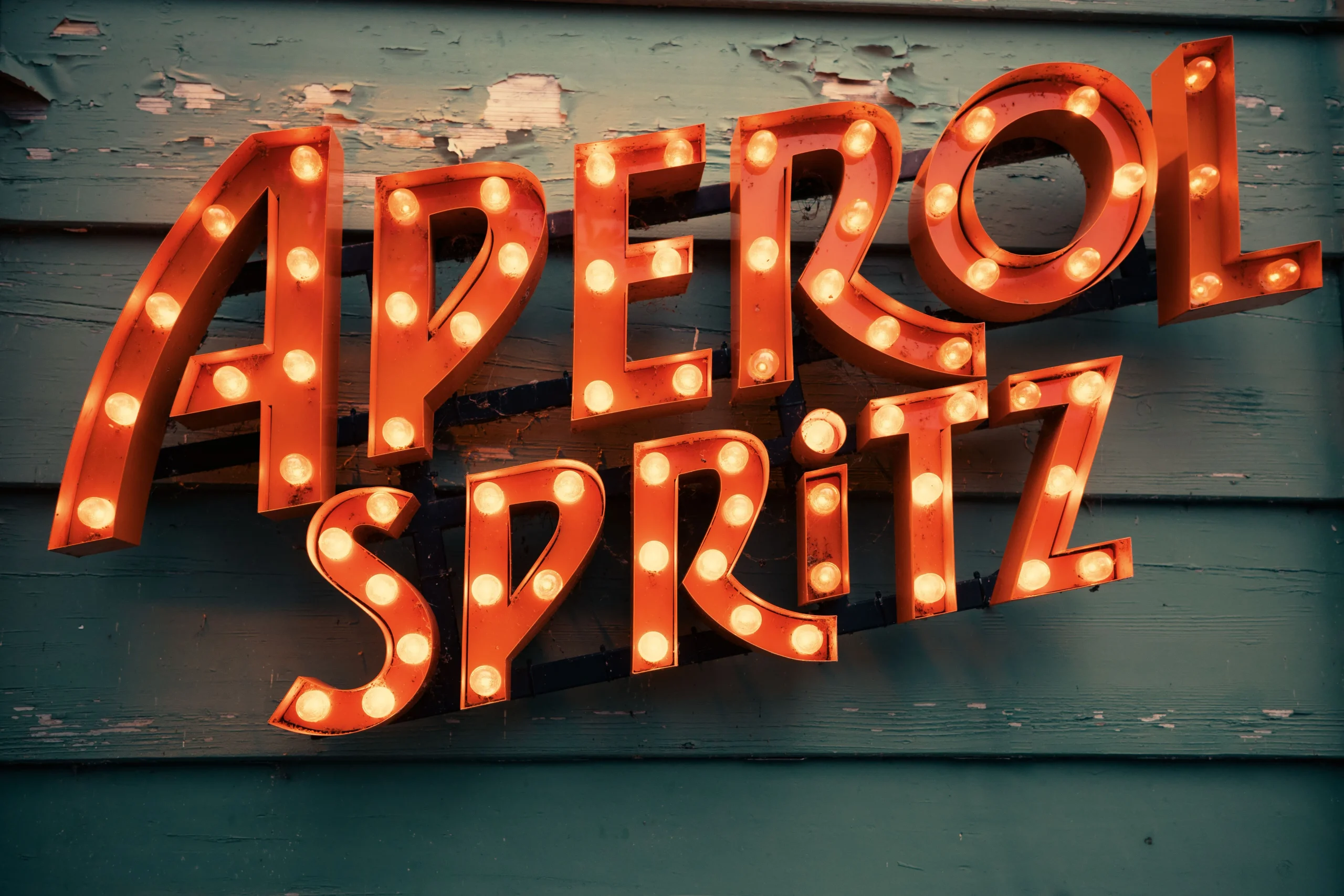
- Channel letter signs — individually lit, three-dimensional letters mounted directly to a building. One of the most recognizable storefront formats: highly visible at night and easy to customize to a brand’s font and color.
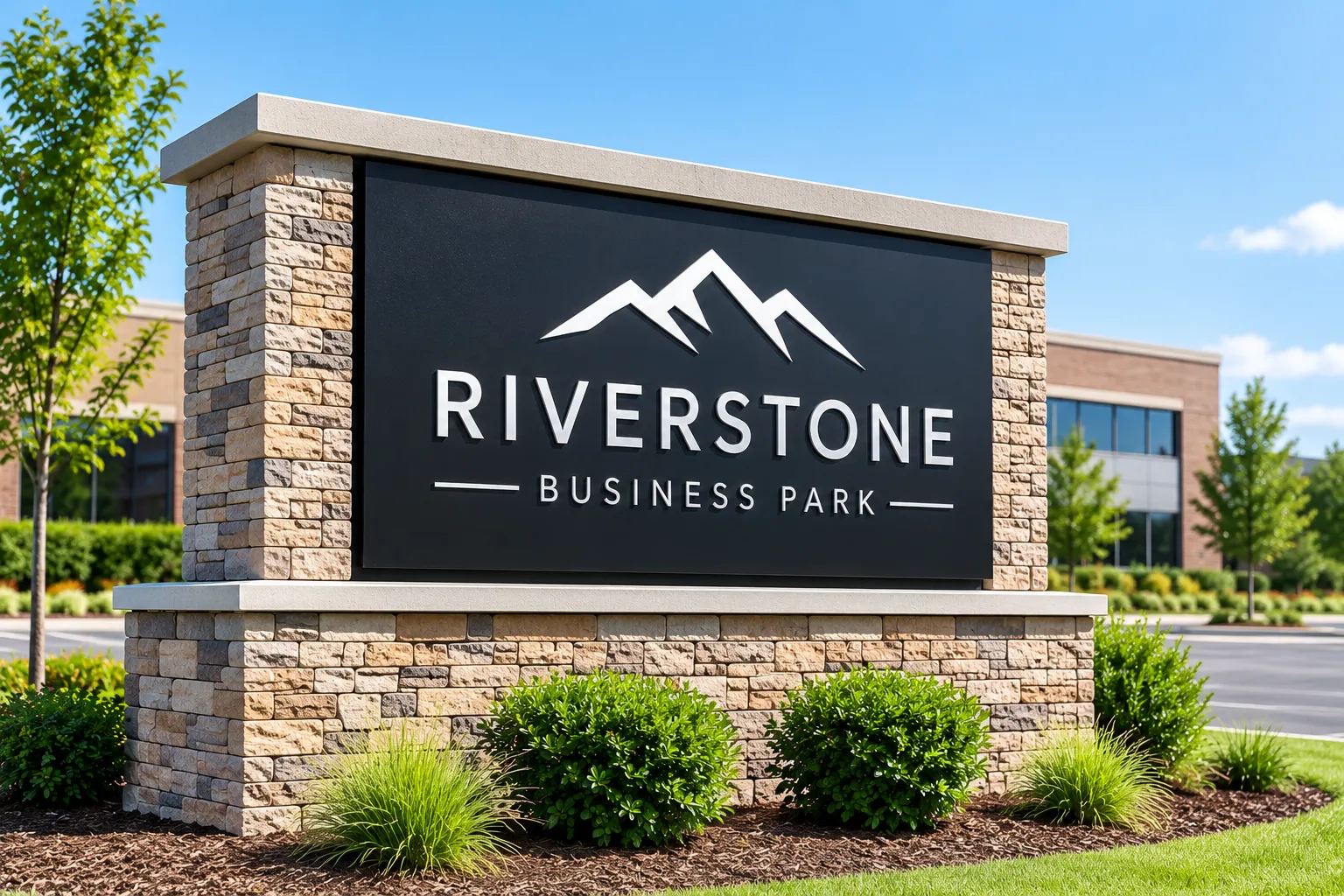
- Monument and pylon signs — for properties set back from the road or shared by multiple tenants. Monument signs sit low and read as permanent and professional; pylon signs stand taller for visibility from a distance, often along busy roads or highways.
- Wayfinding and directional signage — everything guiding movement inside or around a property: parking signs, directories, room identifiers, ADA-compliant interior signs.
- Digital and LED displays — change the message without replacing hardware; useful for pricing, promotions, or frequently updated information.
- Window and interior graphics — vinyl lettering, decals, and branded interior signage that reinforce identity without the cost of an exterior structure.
None of these is inherently “better.” The right one depends entirely on the job the sign needs to do — and often a business ends up needing a combination rather than a single sign. Our exterior signs overview covers the outdoor family in more depth.
Budgeting for Commercial Signage
The single biggest driver of signage cost is illumination. A non-illuminated flat sign is dramatically cheaper than an internally lit channel letter sign or a digital display, simply because electrical work, wiring, and ongoing energy use enter the equation.
After that, the cost drivers stack up like this:
- Size and material. Larger signs need more substantial mounting or foundation work. Material choice — acrylic, aluminum, dimensional foam, real metal letters — shifts cost significantly.
- Installation complexity. A sign requiring a crane, structural engineering, or work on a historic building face costs more than one mounted flat to an accessible wall.
- Permitting and surveys. Budget for permits, site surveys, and installation labor — businesses often forget these during initial planning.
A realistic quote from a signage company should include all of these, not just the fabrication cost of the sign itself. If a quote seems dramatically lower than others, check what it left out. Want numbers tied to your project? Get a free 3D mockup — we will quote the full project, not just the sign.
Permits and Regulations Nobody Mentions Until It Is a Problem
Almost every municipality regulates signage in some way: height limits, illumination restrictions, size caps, and rules around placement near roads for safety reasons. These vary block by block in some cities, especially in historic districts.
Skipping this step is one of the most expensive mistakes in signage projects. A sign installed without the correct permit can be forced down after installation — which means paying for fabrication, installation, and removal, then starting over. A signage company experienced in the area should handle permitting as part of the project, not as an afterthought the business owner has to chase down independently. Broader questions about the process are covered in our signage FAQ.
Planning for Longevity
A sign is a long-term asset, and the materials chosen upfront determine how well it holds up. Exterior signs face UV exposure, temperature swings, wind load, and in some regions salt air or heavy snow — all of which accelerate wear on lower-grade materials.
Well-fabricated exterior signage, properly installed, typically lasts anywhere from seven to fifteen years before needing major refurbishment, though this depends heavily on climate and material quality. Routine maintenance — cleaning, checking electrical connections, repainting or refinishing as needed — extends that lifespan considerably and prevents small issues, like a flickering letter or peeling vinyl, from turning into a full replacement.
Choosing a signage partner that offers maintenance and service after installation, not just fabrication, tends to save money over the sign’s full lifespan.
Mistakes That Quietly Cost Businesses Money
A handful of avoidable mistakes show up again and again in signage projects:
- Choosing size from the mockup, not the street. A sign that looks proportionate in a design rendering can be nearly invisible from the distance customers actually view it. Always evaluate size against the real viewing distance.
- Skipping permits to save time. Forced removal after installation is one of the most expensive outcomes in signage — you pay for the sign three times: to build it, to take it down, and to replace it.
- Buying the cheapest fabrication. A sign that fades or fails within two years costs more than a properly built one would have from the start.
- Treating signage as an afterthought. Signage decided at the last minute of a construction or rebranding project rarely gets the placement, sizing, or design attention it deserves. Plan it alongside the rest of the work.
- Forgetting illumination in the plan. Businesses that add lighting as an afterthought pay more than those that design for it from the start — see our illuminated signs for businesses for how to plan it properly.
Bringing It All Together
Good commercial signage is not about picking the flashiest option available. It is about matching the right sign to the right job, budgeting realistically for the full project (not just the sign itself), and planning for a piece of equipment that is meant to last years, not months. Get those fundamentals right, and a sign stops being just a cost — it starts working as one of the most consistent, low-maintenance marketing tools a business can own.
At UrbanSign Works, we work through this exact process with every client — starting with the goal, not the catalog — to make sure the signage recommended actually earns its place on the building.
Frequently Asked Questions
What’s the difference between a monument sign and a pylon sign?
A monument sign sits low to the ground, typically under six feet, and reads as permanent and upscale. A pylon sign stands much taller — often ten to twenty feet — mounted on poles for visibility from a distance, commonly used near busy roads or highways.
Do I always need a permit for commercial signage?
In most municipalities, yes — especially for illuminated or exterior signs. Requirements vary significantly by city and zoning district, which is why working with a signage company that handles local permitting is worth it.
How much does commercial signage typically cost?
Costs vary widely by size, illumination, and materials: a simple non-illuminated sign might run a few hundred dollars, while a large illuminated channel letter or monument sign runs into the thousands. A detailed quote based on your specific goals is the most accurate way to budget.
How long does commercial signage last?
With quality materials and proper installation, exterior signage typically lasts seven to fifteen years depending on climate exposure and maintenance. Routine servicing extends that lifespan and prevents small issues from becoming costly replacements.
Can I update or rebrand my signage without starting from scratch?
Often, yes. Many sign structures — monument bases, pylon frames — can be reused with new faces or panels when a brand updates its look, which saves significantly compared to a full replacement.
Where should I start if I’m planning a signage project?
Start with the business goal (attract, brand, guide, or promote), then match the sign category to it using the table above. From there, a site-informed quote will fill in sizing, materials, permits, and budget.
Plan Commercial Signage That Earns Its Place
Whether you need storefront signs, monument signs, wayfinding systems, illuminated displays, or a full multi-location rollout, thoughtful planning is what turns signage from an expense into an asset. UrbanSign Works guides every project from goal to installation — design mockups, permitting support, fabrication, and service after the sign goes up.
Request a quote for a free 3D mockup and full project estimate, or contact us to talk through your signage goals.