
Your shop front competes with dozens of others, and customers decide in seconds where to stop. Well-planned outside business signs help you win that moment by showing who you are and what you sell before anyone steps closer.
But the options can feel overwhelming, from glowing lightboxes to slim blade signs. This guide walks you through ten proven types, the best materials for hot and humid weather, realistic budget tiers, and the mistakes to avoid, so you can choose with confidence.
What Are Outside Business Signs?
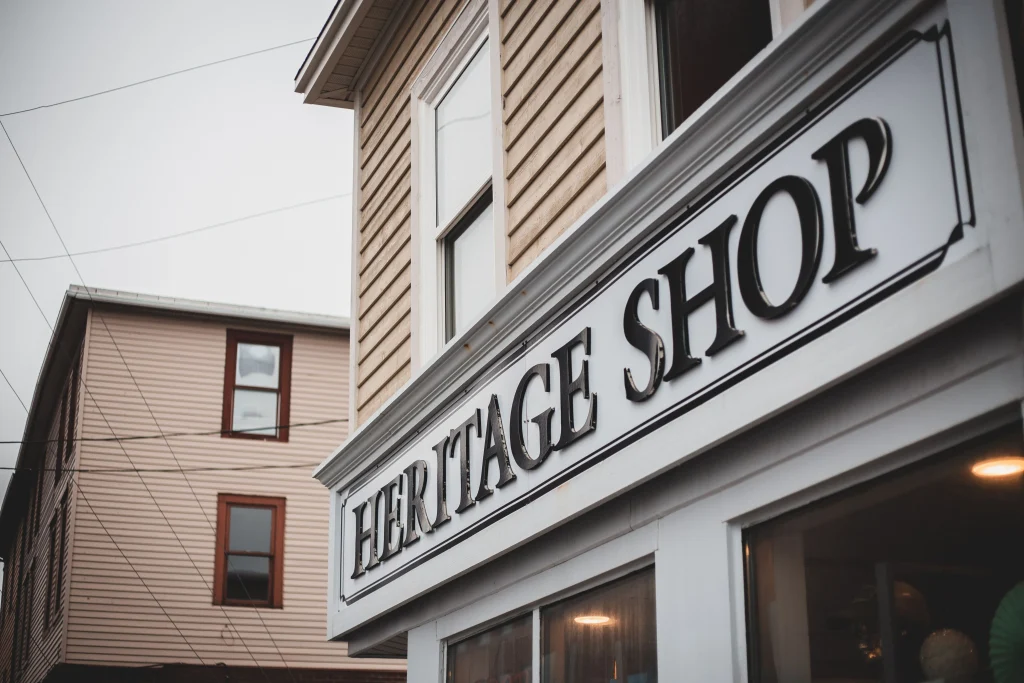
Quick answer: Outside business signs are signs placed on the exterior of a shop, office, or commercial property to identify the business, attract attention, and guide visitors. They include wall letters, lightboxes, blade signs, pylon signs, window graphics, banners, and digital displays. You may also hear them called outdoor business signs, exterior business signs, or outdoor signage for business. The names differ, but the purpose is the same: turning passersby into customers.
Outside business signs fall into two broad groups. Permanent signs, such as fascia boards and 3D letters, are fixed to the building and stay for years. Temporary signs, such as banners and A-frame boards, support short promotions and events. Most businesses need a sensible mix of both.
Each sign should do at least one of three jobs: build brand recognition, share useful information such as opening hours, or promote an offer. When a sign tries to do all three at once, it usually does none of them well.
Why Outside Business Signs Matter for Your Brand
Think of your sign as a silent salesperson that works every hour your shop is visible. It introduces your brand to people who have never heard of you, and it reminds regular customers where to find you. For many local businesses, the sign is the first advertisement a customer notices. Signs also shape trust. A clean, well-lit board suggests care and professionalism, while a faded or crooked one raises doubts about what is inside. Customers rarely say this out loud, but they judge quickly and quietly.
Finally, outside business signs cost very little to run once installed, apart from light maintenance and electricity for illuminated types. Compared with repeated paid advertising, a durable sign keeps working for years, which makes it one of the most practical marketing investments for a small business.
Types of Outside Business Signs
Here are ten popular options, with what each does best and where it fits.
3D and Channel Letter Signs

Raised letters or logos fixed to the wall create depth, shadow, and a premium look. Channel letters are hollow metal or acrylic forms that can be lit from inside, so the name glows after dark. They suit restaurants, clinics, showrooms, and offices that want a polished image. Their main limit is cost, since fabrication and wiring take more time than flat boards.
Lightbox (Cabinet) Signs
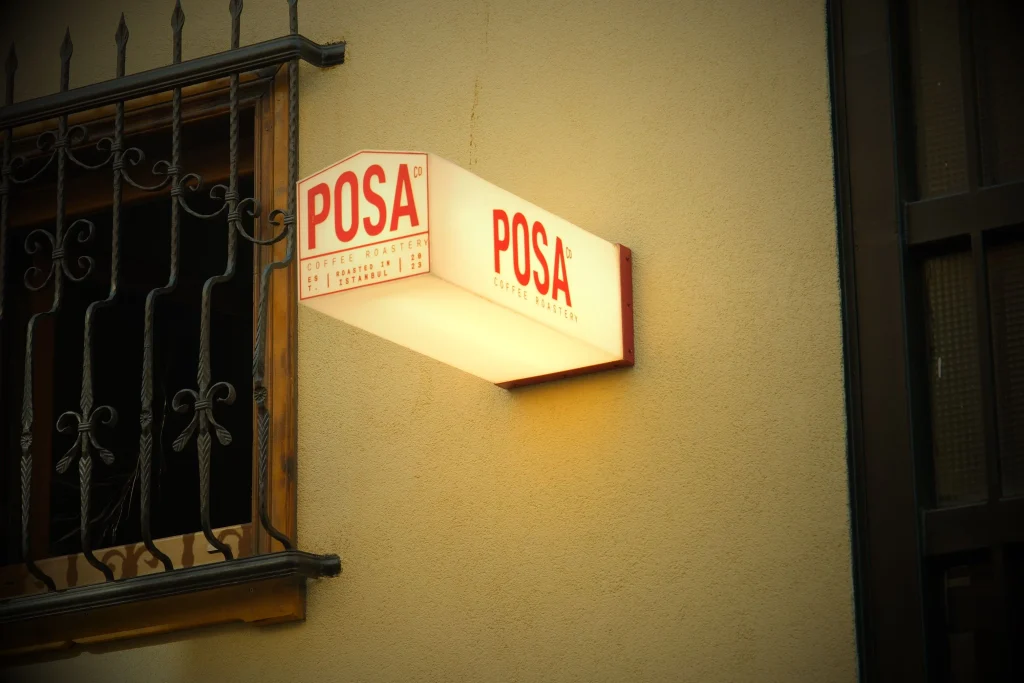
A lightbox is an enclosed frame with a translucent face and LED lighting inside, working like a small billboard that never switches off. The face can be swapped when your branding or offers change. Lightboxes suit shops that open late, pharmacies, mobile stores, and food outlets, because the glow draws attention in busy evening streets.
Fascia and Shopfront Signs
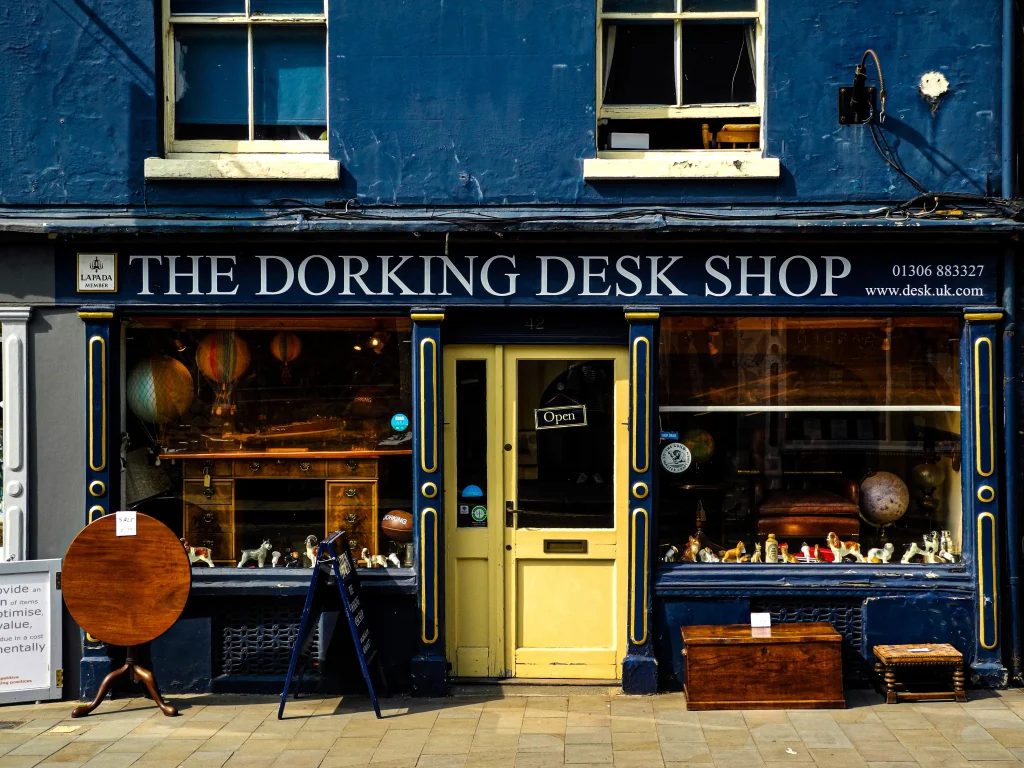
The fascia is the strip above your entrance, and it is where most customers expect to find your name. Fascia signs use ACP trays, printed panels, or letters mounted on a backing board. Because they sit at natural eye level, they form the foundation of most outside business signs and pair well with a second sign type for extra impact.
Blade and Projecting Signs
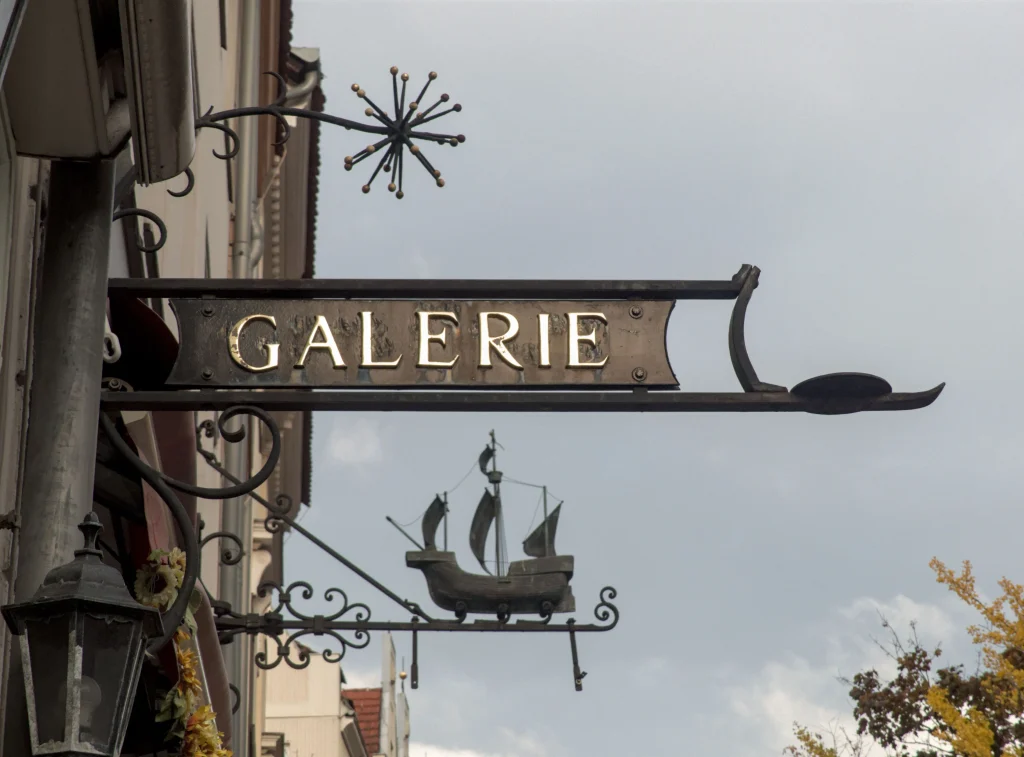
Blade signs stick out from the wall at a right angle, so people walking along the pavement can see them from either direction. That makes them valuable in narrow markets and busy shopping lanes, where a flat fascia is visible only when you stand directly in front. Cafes, salons, and boutiques use them to catch foot traffic early.
Pylon and Pole Signs
These tall freestanding structures lift your name above the surrounding clutter, so drivers can spot it from a distance. They work for plazas, hotels, petrol stations, hospitals, and multi-tenant buildings, where several businesses can share one structure. Because of their height, they need strong foundations and professional installation.
Window Graphics and Decals
Vinyl lettering, frosted film, and printed graphics turn your gl.ass into advertising space. They can show opening hours, services, contact details, or seasonal offers, and they add privacy without blocking all light. They are affordable, quick to apply, and easy to replace, which makes them ideal for new businesses still testing a brand.
Neon-Style LED Signs
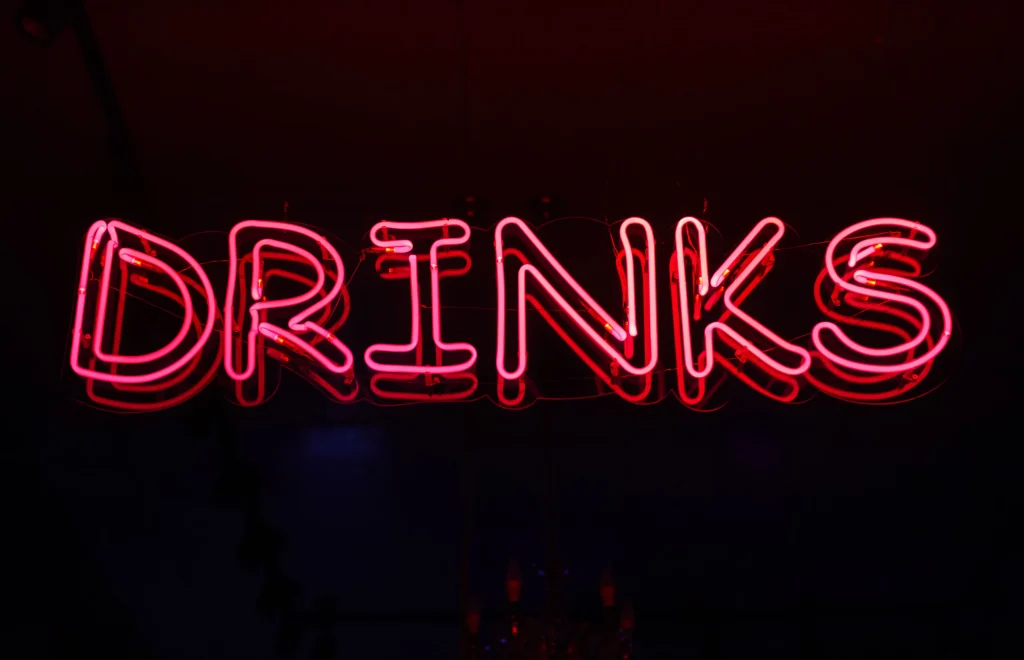
Modern LED neon gives the warm, retro glow of classic neon with lower power use and better durability. These signs suit cafes, barbershops, gyms, and creative studios that want personality. Place them under a cover or inside the window, because direct rain and dust can shorten their life.
Acrylic and Metal Wall Signs

Flat or lightly raised signs made from acrylic, brushed metal, o.r aluminium give a clean, modern finish. They are popular for offices, clinics, schools, and professional services that prefer a calm, trustworthy look over loud advertising. Choose UV-resistant acrylic and quality coatings so colours do not fade under strong sun.
Banners and A-Frame Boards

Printed flex banners and portable A-frame boards are the flexib.le choice for sales, grand openings, and events. They are low-cost and easy to move, but they wear faster outdoors, so treat them as temporary support rather than your main sign. Check local rules before placing them on pavements.
Digital LED Display Signs

Digital screens let you change messages, prices, and promotions in minutes. They suit busy locations, restaurants with changing menus, and businesses that run frequent offers. The trade-off is a higher upfront cost, a need for reliable power, and the discipline to keep content short, because moving text can distract rather than attract.
Which Outside Business Sign Suits Your Business?
There is no single best option. The right choice depends on your trade, your street, and how people usually approach you, on foot or by vehicle.
| Business | Best main sign | Good support sign |
| Retail shop | Fascia with backlit letters | Window graphics |
| Restaurant or cafe | Lightbox or illuminated fascia | Blade sign, LED neon |
| Clinic or pharmacy | 3D letters or lightbox | Directional wall signs |
| Salon or boutique | Blade sign | Acrylic wall sign |
| Office or agency | Acrylic or metal wall sign | 3D letters |
| Plaza or hotel | Pylon sign | Digital display |
| New or pop-up shop | Flex banner | Window graphics |
If you are unsure, start with one strong main sign and one supporting sign. A fascia board plus window graphics, for example, already covers day and night visibility, branding, and information. You can add a blade or digital sign later as the business grows.
Best Materials for Outside Business Signs in Hot, Humid Climates
In South Asia, outside business signs face harsh sun, monsoon rain, dust, and humidity. A sign that looks perfect on delivery day can fade, warp, or rust within a season if the wrong materials are used.
| Material | Why it works | Watch out for |
| Aluminium and ACP | Light, rust-resistant, many finishes | Seal cut edges against moisture |
| Stainless steel | Strong, premium look, corrosion resistant | Higher cost |
| UV-protected acrylic | Crisp edges, glows well with LED | Low-grade sheets yellow in sun |
| Powder-coated metal | Durable colour, weather resistant | Needs a quality coating |
| Flex and vinyl | Cheap, vivid prints | Fades faster in strong sun |
Spend most of your budget on what you cannot easily change: the frame, fixings, and waterproofing. The printed or painted face can be refreshed later at lower cost. For illuminated signs, ask for sealed LED modules and waterproof wiring.
Colour matters too. Dark shades absorb heat and may fade faster under direct sunlight, so ask your fabricator about UV-stable inks and coatings. In coastal or very humid areas, ask specifically about corrosion protection for screws and brackets, since small fittings often fail first.
Budget Planning: Basic, Mid-Range and Premium Options
Prices differ by city, size, and supplier, so instead of quoting numbers that may not match your area, it helps to think in tiers and then request itemised quotations.
| Tier | Typical options | Best for |
| Basic | Flex banner, window graphics, printed fascia | New shops, short promotions |
| Mid-range | ACP fascia, acrylic wall sign, lightbox | Established small businesses |
| Premium | 3D or channel letters, pylon, digital display | Brands wanting long-term impact |
Cost is driven by size, material, lighting, design complexity, and installation difficulty. A sign on a high wall that needs scaffolding costs more to fit than one at ground level. Warranty matters too, because longer cover usually signals better materials.
Compare cost per year of use, not only the first price. A slightly dearer sign that lasts several years longer is usually the better buy.
Design Tips for Signs That Get Noticed
Good design makes outside business signs readable in seconds, even from a moving vehicle.
- Keep it short: Your name, logo, and one short line are enough.
- Use strong contrast: Light text on a dark background, or the reverse, stays readable in glare.
- Choose simple fonts: Clean, bold lettering reads faster than decorative scripts.
- Size for distance: A commonly used guideline suggests about 2.5 cm of letter height for every 3 metres of viewing distance.
- Stay consistent: Use the same colours and logo on your sign, packaging, and social media.
- Leave breathing space: Space makes your message stand out.
- Light it if you open late: Illumination keeps your brand visible after dark.
Permits and Placement Basics
Many cities and housing authorities regulate the size, height, lighting, and position of outside business signs. Plazas and building managers often add their own rules. Before you order, confirm what is allowed with the local authority and the property owner, and get approvals in writing.
Also check that the sign does not block pavements, traffic views, or neighbouring shops. Installation should use secure fixings for wind and properly insulated wiring. Rules differ from place to place, so verify locally instead of assuming.
Common Mistakes to Avoid
- Packing too much text onto one sign
- Choosing low contrast colours that vanish in sunlight
- Ignoring viewing distance when sizing letters
- Picking the cheapest material for a permanent sign
- Skipping lighting when the business trades in the evening
- Forgetting permits and landlord approval
- Neglecting cleaning and inspection after installation
Frequently Asked Questions About Outside Business Signs
What are outside business signs?
Outside business signs are signs placed on the exterior of a shop, office, or commercial property to identify the business and attract customers. Common types include fascia boards, 3D letters, lightboxes, blade signs, pylon signs, window graphics, and banners.
Which outside business sign is best for a small shop?
A fascia sign with backlit letters or a lightbox is usually the best starting point, because it gives clear day and night visibility. Adding window graphics gives you extra space for hours, services, and offers at a low cost.
How long do outside business signs last?
Lifespan depends on materials, climate, and care. Well-made aluminium, stainless steel, and UV-protected acrylic signs commonly last several years, often a decade with good maintenance. Flex banners usually need replacing within a year or two in strong sun.
Are illuminated signs worth the extra cost?
If you trade in the evening, yes. Lighting keeps your name visible after dark, and modern LED systems use far less electricity than older fluorescent tubes. If you only open during daylight hours, a non-illuminated sign may be enough.
Do I need permission to install outside business signs?
Often you do. Local authorities, plaza managers, and landlords may regulate size, height, lighting, and position. Confirm the rules and get approvals in writing before fabrication begins.
Conclusion
Outside business signs do far more than display a name. They build recognition, guide visitors, and signal quality before a customer speaks to anyone on your team.
Match the sign type to your business and street, choose materials that can handle sun and rain, and set a realistic budget using itemised quotations. Check the local rules, plan lighting if you trade after dark, and maintain the finished sign. Do this, and your outside business signs will keep working for you every day.