
Parking and Property Signs: A Complete Guide for Business Owners and Property Managers
Every parking lot and commercial property tells a story before a visitor even walks through the door and parking and property signs are a big part of that story. Clear signage doesn’t just look professional; it directs traffic, protects pedestrians, prevents liability issues, and communicates the rules of your property without a single conversation.
Whether you manage a retail plaza, an apartment complex, a school, or a private driveway, choosing the right combination of parking and property signs is one of the simplest ways to improve safety and reduce disputes on your property. This guide walks through the types of signs you need, the materials that hold up best, and how to choose signage that actually works for your space.
Why Parking and Property Signs Matter
A parking lot without proper signage is an accident waiting to happen. Drivers don’t know where to park, pedestrians cross in unsafe areas, and unauthorized vehicles take up spaces meant for customers or residents. Beyond the day-to-day chaos, poor signage can expose property owners to legal liability, especially when accessibility requirements or fire safety codes aren’t clearly marked.
Well-placed parking and property signs solve these problems at a glance. They establish clear expectations, support enforcement (including towing when necessary), and show visitors that the property is professionally managed. In many cases, they’re also a legal requirement rather than a nice-to-have.
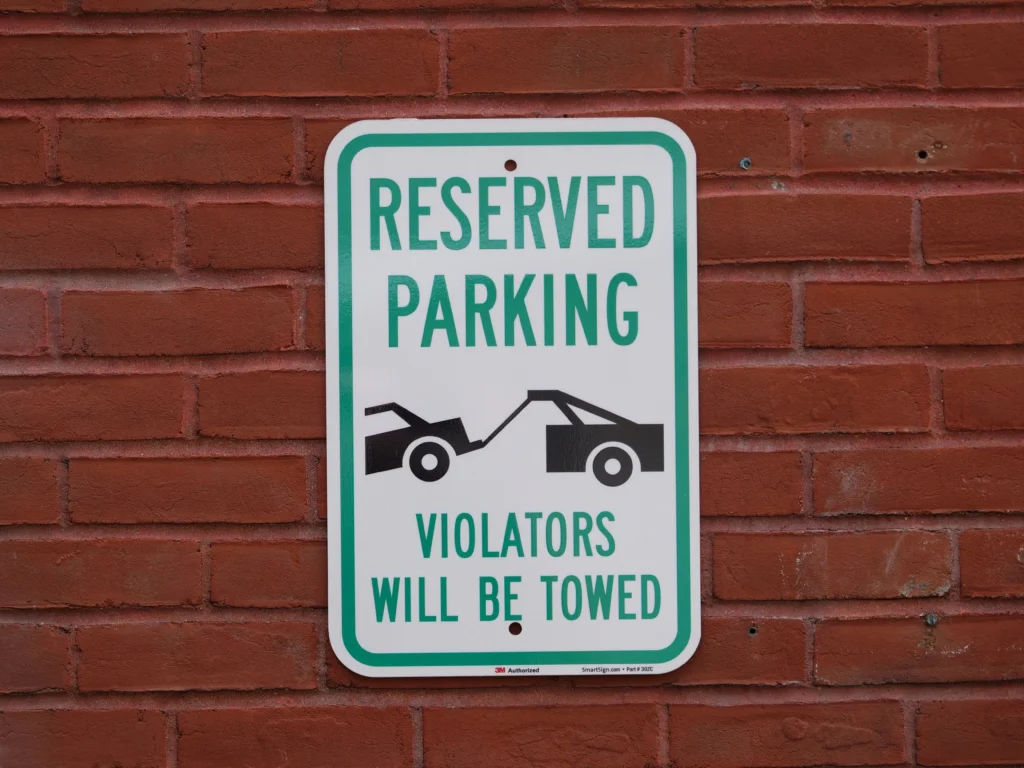
Custom parking and property signs for clear directions and easy access.
Types of Parking and Property Signs Every Property Needs
Not every property needs the exact same signage, but most commercial and residential properties benefit from some combination of the following.
ADA-Compliant Accessible Parking Signs
Any parking lot open to the public must include a minimum number of accessible parking spaces, based on the total number of spots. Each of these spaces needs an accessible parking sign, and van-accessible spaces require an additional marker. Skipping this isn’t just a compliance risk, it can result in fines and legal action.
No Parking and Restricted Parking Signs
These signs prevent vehicles from blocking fire lanes, loading zones, dumpsters, and entrances. They can specify permanent restrictions or conditional ones, such as time-based no-parking zones or permit-only areas.
Reserved and Customer Parking Signs
Reserved parking signs for customers, employees, tenants, or visitors help allocate limited spaces fairly and prevent outside vehicles from taking up spots meant for the people who actually use the property.
Private Property and No Trespassing Signs
For properties where public access needs to be limited, private property signs establish legal boundaries and give property owners the standing to have unauthorized vehicles towed or trespassers removed.
Directional and Wayfinding Signs
Arrows, “Parking Ahead,” and entrance/exit markers guide visitors smoothly through a property, especially useful when parking is located behind a building or across multiple lots.
Fire Lane and Emergency Access Signs
Fire lanes must remain clear at all times. These signs are often required by local fire codes and are essential for allowing emergency vehicles quick access in a crisis.
Speed Limit and Pedestrian Safety Signs
Parking lots see a mix of vehicle and foot traffic, often in tight spaces. Speed limit signs and pedestrian crossing signs reduce the risk of accidents, particularly near entrances and busy walkways.
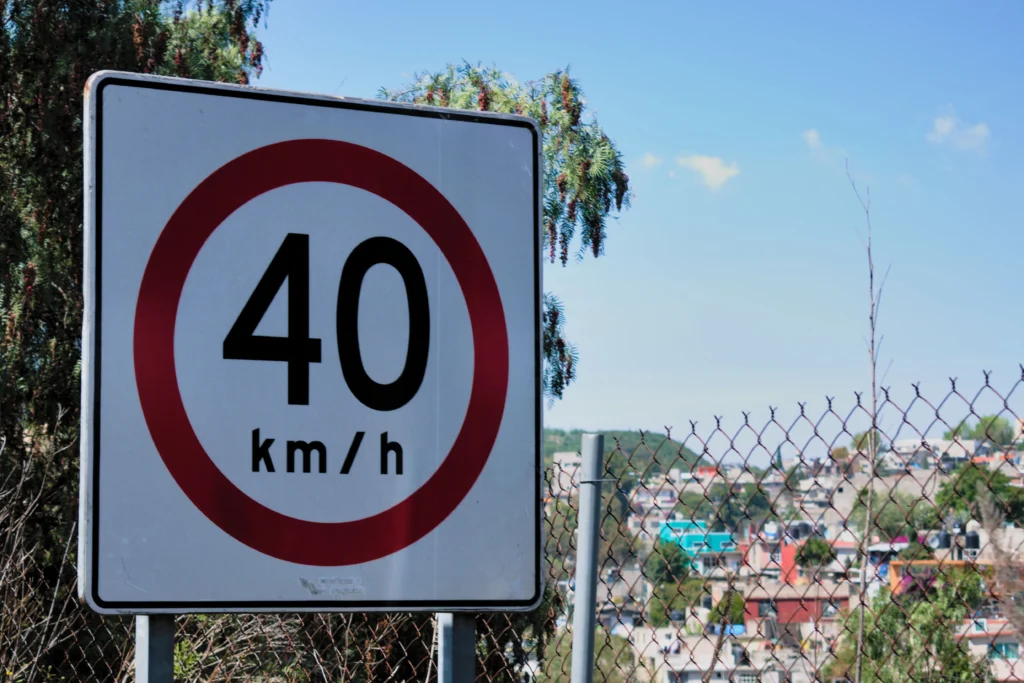
Clear speed limit signs for safer traffic control.
Towing and Enforcement Signs
To legally tow unauthorized vehicles in most jurisdictions, property owners need clearly posted towing signs that state the enforcement policy, including contact information for the towing company where required by local law.
Choosing the Right Materials for Durability
Parking and property signs are exposed to sun, rain, and temperature swings year-round, so material choice matters as much as design. Most professional-grade signs are made from:
- Aluminum, rust-resistant, lightweight, and long-lasting, making it the standard choice for outdoor signage.
- Reflective sheeting, improves visibility at night or in low-light conditions, which is especially important for directional and warning signs.
- UV-resistant coatings prevent fading, so text and colors stay legible for years rather than months.
Cheaper materials might save money upfront, but faded or peeling signs quickly stop doing their job and can make a property look neglected rather than well-managed.
Legal and Compliance Considerations
Signage requirements vary by state, city, and even by property type, so it’s worth checking local regulations before finalizing your order. A few areas that commonly require compliance:
- ADA accessibility,federal guidelines set minimums for accessible spaces and signage; some states add their own requirements on top.
- Fire codes, fire lanes often have specific size, color, and placement rules set by local fire marshals.
- Towing enforcement,many states require specific wording or a minimum sign size before a vehicle can legally be towed from private property.
Because these rules differ by location, it’s a good idea to consult your local municipality or a signage specialist before installing enforcement-related signs, particularly if towing or fines are involved.
Custom vs. Standard Signs Which Should You Choose?
Standard signs (No Parking, Handicap Parking, Fire Lane) are readily available, cost-effective, and an instantly recognizable ideal when you need widely understood signage fast.
Custom signs make sense when a property has specific rules that standard designs don’t cover, for example, a reserved spot for a specific tenant, a branded entrance sign, or a permit system unique to your property. Custom signage also lets you incorporate your business’s colors and branding, reinforcing a professional image throughout the property.
How to Choose the Right Signage for Your Property
Before ordering, walk your property and note:
Where vehicles enter and exit, and whether directional signs would prevent confusion.
Which spaces require accessibility signage, based on your total space count.
Any high-risk areas, fire lanes, loading docks, pedestrian crossings that need clear restrictions.
Whether enforcement (towing) is a priority, which determines the wording and placement your signs need.
Local regulations that may dictate sign size, color, or mounting height.
A quick signage audit like this ensures you’re not over-ordering unnecessary signs or, worse, missing a required one.
Frequently Asked Questions
At minimum, most commercial properties need ADA-accessible parking signs, no-parking/restricted signs for fire lanes and loading zones, and directional signs to guide traffic safely.
Yes. Any parking lot open to the public must include a set number of accessible spaces (based on total spot count), each marked with a compliant sign, under ADA guidelines.
In most jurisdictions, no you typically need a clearly posted towing/enforcement sign meeting specific wording and size requirements before a vehicle can be legally towed.
Aluminum with reflective sheeting and a UV-resistant coating is the industry standard, since it resists rust, stays visible at night, and won’t fade quickly in the sun.
Standard signs work well for common needs like “No Parking” or “Handicap Parking.” Custom signs are worth it when your property has specific rules, branding, or a unique layout that standard designs don’t address.
Conclusion
Parking and property signs are a small investment with an outsized impact on safety, liability, and how professional your property appears to visitors, tenants, and customers. From ADA-compliant accessible parking signs to private property and towing enforcement signs, choosing durable, clearly worded, and properly placed signage protects both your property and the people who use it. Take stock of your property’s specific needs, check local compliance requirements, and invest in signs built to last. It’s one of the simplest upgrades a property manager or business owner can make.