
A restroom sign is an important part of any commercial, public, or private facility. It helps visitors quickly identify restrooms and find the right facility without confusion. From traditional men’s and women’s restroom signs to ADA restroom signs, gender-neutral options, and temporary signs, the right signage can improve accessibility, navigation, and a building’s overall appearance.
Whether you operate an office, restaurant, hotel, school, hospital, retail store, or public facility, choosing clear, professional restroom signs can make the space easier to navigate.
What Is a Restroom Sign?
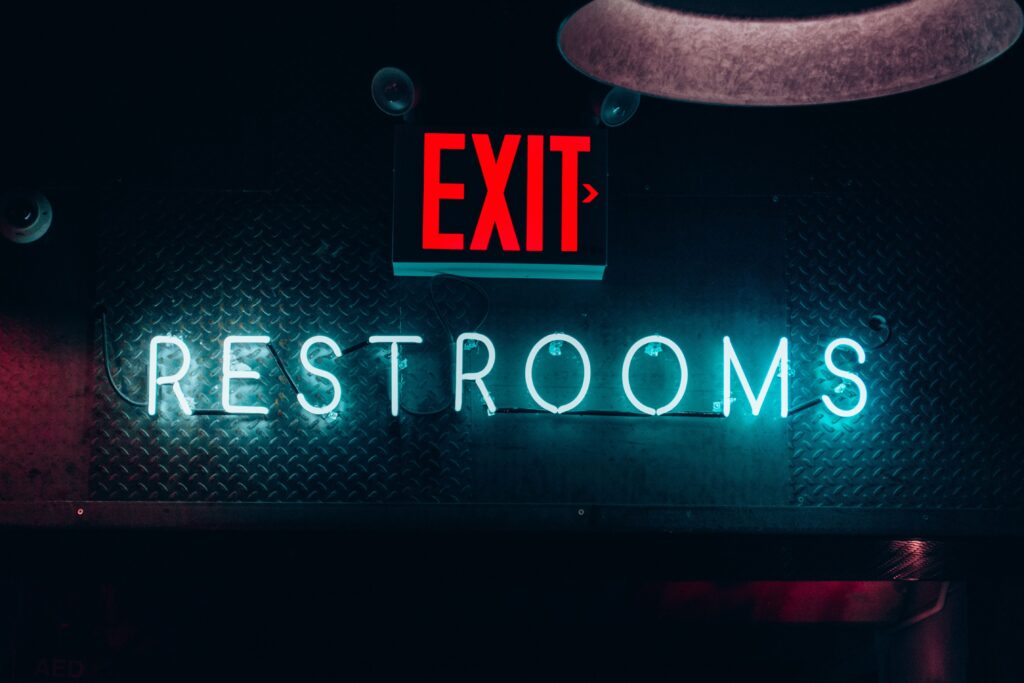
A restroom signs identifies the location or status of a restroom. It can include simple text, symbols, pictograms, Braille, or other visual information depending on the purpose of the sign. A standard restroom sign may simply say “Restroom,” while other signs can identify specific facilities such as women’s, men’s, unisex, or gender-neutral restrooms.
Some facilities also use temporary signs such as restroom out-of-order signs when a restroom is unavailable because of maintenance or repairs.
Good restroom signage should be:
- Easy to see
- Simple to understand
- Easy to read
- Appropriate for the facility
- Durable
- Consistent with other wayfinding signs
- Accessible when required
Why Are Restroom Signs Important?
Clear restroom signage helps visitors navigate a building quickly. In large facilities, people may not know where restrooms are located without proper signs.
A well-designed restroom sign can help:
- Identify restroom locations
- Improve wayfinding
- Reduce confusion
- Support accessibility
- Create a professional appearance
- Provide temporary information
- Identify different restroom types
For businesses, restroom signs are also part of the overall customer experience. Consistent restroom sign designs can make a building look more organized and professional.
Different Types of Restroom Signs
There are many types of restroom signs available. The right choice depends on the facility, audience, and purpose of the signage.
1. Women’s Restroom Sign
A women’s restroom signs is commonly used to identify restrooms designated for women. These signs often use the word “Women” along with a universally recognizable female pictogram.
Women’s restroom signs can be designed in a variety of materials, colors, and styles to match the interior of a commercial building.
For a more formal environment, businesses may choose a simple sign with clear lettering and a contrasting background.
2. Female Restroom Signs
A female restroom sign provides another way to identify a women’s restroom. Although “women” is commonly used in commercial restroom signage, some facilities may use “female” depending on their existing signage system.
The most important consideration is consistency. If a facility uses “Women” throughout the building, changing between “Women” and “Female” can create unnecessary confusion.
3. Men’s Restroom Sign
A men’s restroom signs identifies a restroom designated for men. Like women’s restroom signage, it can include text, pictograms, or both.
For larger facilities, matching men’s and women’s signs can create a consistent wayfinding system.
4. ADA Restroom Signs
ADA restroom signs are designed to meet applicable accessibility requirements for identifying permanent rooms and spaces.
Depending on the application, accessibility signage may include:
- Raised characters
- Braille
- Appropriate contrast
- Non-glare finishes
- Pictograms
- Proper installation
Businesses should review the applicable ADA Standards and local requirements before manufacturing and installing accessibility signage.
An ADA restroom signs can also be designed to match the overall appearance of a building while maintaining the required accessibility features.
5. Gender Neutral Restroom Signs
Gender neutral restroom signs identify facilities intended for people regardless of gender.
These signs may use text such as “All Gender,” “Gender Neutral,” or another designation selected by the facility.
A clear gender neutral restroom signs can help visitors quickly understand which facility they can use.
6. Unisex Restroom Signs
Unisex restroom signs are commonly used for restrooms designed for use by people of any gender.
A unisex restroom may be especially useful in smaller businesses, offices, restaurants, and facilities with individual private restroom rooms.
The sign should clearly communicate the intended use of the facility.
7. No Public Restroom Sign
A no public restroom signs is useful for businesses and facilities that have restrooms intended only for employees, staff, or authorized users.
For example, a restaurant or retail business may have a restroom but choose not to make it available to the general public.
A simple no public restroom signs can communicate this policy clearly and reduce unnecessary questions.
8. No Restroom Sign
A no restroom signs can be used when a business or facility does not provide restroom access in a particular location.
The wording should be clear and easy to understand. Depending on the situation, a business may choose a more specific message such as “No Public Restrooms” instead.
9. Restroom Out of Order Sign
A restroom out of order signs is a temporary signs used when a restroom cannot be used.
These signs are particularly useful during:
- Plumbing repairs
- Cleaning
- Renovation
- Maintenance
- Safety issues
- Temporary closures
The message should be large and easy to see from the entrance.
Restroom Signs Comparison Chart
| Restroom Sign Type | Main Purpose | Common Use |
| Restroom Sign | Identifies a restroom | Offices, stores, public buildings |
| Women’s Restroom Sign | Identifies a women’s restroom | Commercial facilities |
| Female Restroom Sign | Identifies a female restroom | Various facilities |
| ADA Restroom Signs | Provides accessible identification | Public and commercial buildings |
| Gender Neutral Restroom Signs | Identifies gender-neutral facilities | Offices, schools, businesses |
| Unisex Restroom Signs | Identifies all-gender use | Individual/private restrooms |
| No Public Restroom Sign | Indicates restroom is not available to public | Restaurants, stores, offices |
| No Restroom Sign | Indicates no restroom is available | Businesses and facilities |
| Restroom Out of Order Sign | Indicates temporary closure | Maintenance and repairs |
| Restrooms Sign | General restroom identification | Large facilities |
Restroom in Sign Language
People may also search for restroom in signs language when looking for a visual representation of the word or concept in American Signs Language (ASL).
The ASL signs for restrooms is commonly represented using a hand movement associated with the concept of toilet/restrooms. However, businesses should distinguish between an ASL educational resource and a formal accessibility or wayfinding sign.
If a facility wants to make signage more inclusive, it can combine clear text, universally recognizable symbols, and appropriate accessibility features.
Restroom Sign Out Sheet
A restroom signs out sheet is different from a permanent restroom identification sign.
A restroom signs out sheet may be used in workplaces, schools, offices, or other facilities to track when employees or students leave an area to use the restroom.
For example, a workplace may use a simple sheet containing:
| Name | Time Out | Time In |
| Employee 1 | 10:15 AM | 10:22 AM |
| Employee 2 | 11:05 AM | 11:12 AM |
| Employee 3 | 1:20 PM | 1:27 PM |
Businesses should consider privacy and workplace policies before using restroom tracking sheets.
How to Choose the Right Restroom Sign
Choosing the right restroom signs depends on several factors.
Consider the Type of Restroom
First, determine whether the facility needs a men’s restroom signs, women’s restroom sign, gender-neutral signs, unisex signs, or general restroom signs.
Consider Accessibility
If the sign identifies a permanent room or space covered by accessibility requirements, make sure the design and installation follow the applicable standards.
Choose Clear Colors
Strong contrast between the lettering and background can improve readability.
Select Durable Materials
Commercial facilities often need signs that can withstand frequent use, cleaning, moisture, and everyday wear.
Common materials include:
- Acrylic
- Aluminum
- PVC
- Photopolymer
- Metal
- Laminate
Match Your Wayfinding System
Restroom signage should work with other signs in the building. Matching colors, fonts, symbols, and materials can create a professional appearance.
Where Should a Restroom Sign Be Installed?
The location of a restroom signs is important for visibility and accessibility.
Before installation, consider:
- Door location
- Door swing
- Wall space
- Hallway visibility
- Clear floor space
- Lighting
- Mounting height
- Accessibility requirements
For accessibility signs, installation should follow the applicable requirements for tactile characters and sign placement.
A poorly positioned sign may be difficult to see even if the sign itself is well designed.
Common Restroom Sign Mistakes
Businesses can avoid several common signage problems by planning their restroom signs carefully.
Poor Contrast
Using similar colors for the background and lettering can make the sign difficult to read.
Too Much Information
A restroom sign should communicate its purpose quickly. Avoid unnecessary text or complicated graphics.
Inconsistent Signage
Using different designs for restrooms throughout the same building can confuse visitors.
Ignoring Accessibility
If accessibility requirements apply, standard printed signs may not be sufficient.
Poor Placement
A sign hidden behind a door or placed in a difficult-to-see location will not provide effective wayfinding.
Using the Wrong Temporary Sign
If a restroom is temporarily closed, use a clear restroom out of order sign rather than leaving visitors to discover the problem themselves.
How Restroom Signs Improve Wayfinding
Restroom signage is an important part of a building’s overall wayfinding system.
A well-designed facility may use consistent signage for:
- Restrooms
- Elevators
- Stairways
- Entrances
- Exits
- Offices
- Parking
- Reception areas
- Emergency routes
When these signs share a consistent visual style, visitors can understand the building more easily.
This is particularly valuable in hospitals, universities, hotels, shopping centers, airports, and large office buildings.
Custom Restroom Signs for Businesses
Businesses can create custom restroom signs that match their brand and interior design.
Custom options may include:
- Colors
- Materials
- Shapes
- Pictograms
- Raised lettering
- Braille
- Finishes
- Mounting styles
- Custom wording
However, customization should not interfere with applicable accessibility requirements.
A professional signage company can help businesses select appropriate materials and designs for their environment.
Frequently Asked Questions About Restroom Signs
What is a restroom sign?
A restroom signs identifies the location, type, or status of a restroom. It may contain text, pictograms, Braille, raised characters, or temporary information.
What is an ADA restroom signs?
An ADA restroom signs is signage designed to meet applicable accessibility requirements for identifying permanent rooms and spaces. Depending on the application, it may include raised characters and Braille.
What is the difference between a women’s restroom signs and a female restroom sign?
Both terms can identify a restroom intended for women. “Women’s restroom” is a common phrase used on commercial signage, while “female restroom” may be used in some facilities.
What is a no public restroom signss used for?
A no public restroom signs tells visitors that a restroom is not available for public use. It is often used in businesses where restrooms are restricted to employees or authorized users.
What is the difference between a no restroom sign and a no public restroom signs?
A no restroom signs generally communicates that a restroom is not available, while a no public restroom signs specifically indicates that the facility is not available to members of the public.
What are gender neutral restroom signs?
Gender neutral restroom signs identify restrooms that are intended for people regardless of gender. They may use terms such as “All Gender” or “Gender Neutral.”
What are unisex restroom signs?
Unisex restroom signs identify restrooms designed for use by people of any gender. They are often used for individual private restroom facilities.
What is a restroom out of order sign?
A restroom out of order sign is a temporary notice used when a restroom is unavailable because of maintenance, repairs, cleaning, or another temporary issue.
What is restroom in sign language?
“Restroom in sign language” generally refers to how the concept or word “restroom” is expressed in American Sign Language. It is different from the accessibility requirements for physical restroom signage.
What is a restroom sign-out sheet?
A restroom sign-out sheet is a document used by some workplaces or schools to record when a person leaves an area to use the restroom. It is not the same as a permanent restroom identification sign.
Final Thoughts
A restroom sign may seem like a small part of a building, but it plays an important role in accessibility, navigation, communication, and user experience.
From a traditional women’s restroom sign or women restroom sign to ADA restroom signs, gender neutral restroom signs, and unisex restroom signs, businesses have many options for identifying their facilities.
Temporary options such as a restroom out of order sign, as well as notices such as a no public restroom sign or no restroom sign, can provide visitors with important information when circumstances change.
The best restroom signage is clear, easy to understand, durable, professionally designed, and appropriate for the specific facility. When combined with a consistent wayfinding system, high-quality restroom signs can make commercial and public spaces easier and more comfortable to navigate.
Need Custom Restroom Signs?
Professional custom restroom signage can help your business create a consistent, accessible, and attractive wayfinding system. Choose the right materials, design, wording, and accessibility features based on your facility’s needs and applicable requirements.