
Signs With Braille: Improving Accessibility and Communication for Everyone
Accessibility is an important part of creating public spaces that everyone can use comfortably and independently. Signs with braille are a simple but highly effective way to make buildings, businesses, schools, hospitals, offices, and other environments easier to navigate for people who are blind or have visual impairments.
Braille sign combine raised lettering, symbols, and Braille characters to provide information through touch. When they are designed and installed correctly, they can help people identify rooms, entrances, exits, restrooms, elevators, stairways, and other important areas.
What Are Sign With Braille?
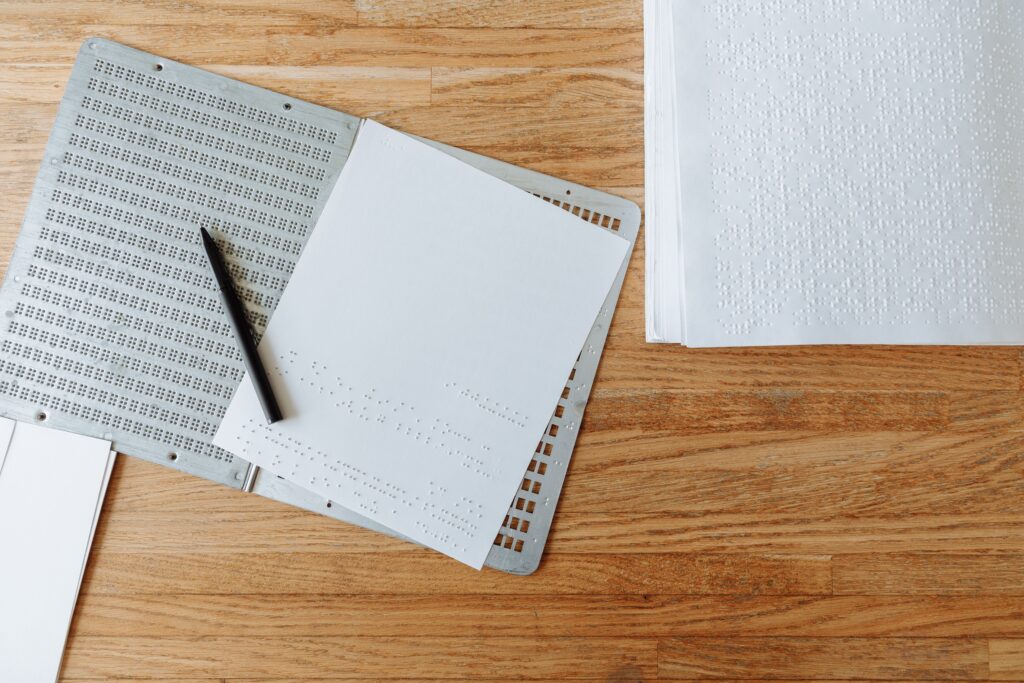
Sign with Braille are accessibility sign that include Braille characters alongside or beneath visual text and symbols. Unlike ordinary signs, they allow information to be read through touch rather than sight.
These signs are commonly used in places where people need clear, reliable directions or identification. They can be found in:
- Office buildings
- Schools and universities
- Hospitals and healthcare facilities
- Hotels
- Shopping centers
- Airports and transportation facilities
- Government buildings
- Restaurants and public facilities
- Residential and commercial buildings
Why Are Signs With Braille Important?
Signs with Braille promote independence and make public spaces more inclusive. For example, a person with a visual impairment may not always be able to rely on standard printed signs, so tactile information provides another way to understand their surroundings.
Some important benefits include:
- Better accessibility: Braille provides information that people can access through touch.
- Greater independence: People with visual impairments can identify locations without always needing assistance.
- Improved navigation: Tactile signs can make it easier to locate important areas.
- Inclusive environments: Accessible signage helps businesses and organizations welcome a wider range of visitors.
- Clear identification: Braille can accompany room numbers, facility names, and other essential information.
- Professional appearance: Well-designed accessibility signs can fit naturally into modern building interiors.
Common Types of Braille Signs
Different environments require different types of accessible signage. Some of the most common options include:
Room Identification Signs
These signs identify classrooms, offices, meeting rooms, hotel rooms, and other spaces. They often combine raised text with Braille.
Restroom Signs
Accessible restroom signs can use tactile lettering, Braille, and recognizable symbols to help visitors identify the correct facility.
Elevator Signs
Braille and tactile elevator signage can help people identify elevators and understand information about floors and controls.
Directional Signs
Directional signs provide information about where particular facilities or areas are located. When appropriate, tactile elements can make these signs more accessible.
Exit and Emergency Signs
Accessible signage communicates important information about exits and emergency facilities. Design emergency signage according to applicable accessibility and safety requirements.
Important Features of High-Quality Braille Signs
When choosing signs with braille, several design features deserve attention.
- Readable visual text: Printed lettering should be clear and easy to distinguish.
- Tactile characters: Raised characters allow information to be identified by touch.
- Proper Braille placement: Braille should be positioned consistently and designed according to applicable standards.
- Good contrast: Strong contrast between the sign and its text can improve visibility for people with low vision.
- Durable materials: Signs should withstand regular handling and environmental conditions.
- Clear symbols: Recognizable symbols can communicate information quickly.
- Appropriate mounting: Signs should be installed where they can be reached and used comfortably.
- Consistent design: Using a consistent signage system throughout a building makes navigation easier.
Materials Used for Braille Signs
Braille signs come in a variety of materials. The best option depends on the location, design requirements, durability needs, and budget.
Common materials include:
- Acrylic
- Plastic
- Aluminum
- Stainless steel
- Engraved materials
- Laminated materials
For high-traffic environments, durable materials and finishes can help signs maintain their appearance over time.
Where Should Signs With Braille Be Installed?
Placement depends on the sign type and the accessibility requirements that apply to the building or location. Install signs for permanent rooms and facilities in predictable locations so visitors can find them easily.
Before installing signs, consider:
- The height of the sign
- Whether the sign can be reached comfortably
- Visibility from nearby walking paths
- Lighting conditions
- Door and wall placement
- Local accessibility requirements
- Consistency with other signs in the building
It is important to check the accessibility standards and building regulations applicable to your location rather than relying on a generic installation guide.
How Signs With Braille Support Inclusive Design
Inclusive design considers the needs of as many people as possible from the beginning. Signs with braille are one part of this approach.
A well-planned signage system can combine:
- Braille
- Raised lettering
- High-contrast visual text
- Accessible symbols
- Clear directional information
- Consistent placement
Together, these features can create an environment that is easier for people with different visual abilities to understand and navigate.
Choosing the Right Signs With Braille
When selecting accessible signs, focus on functionality rather than appearance alone. Consider the building’s purpose, the people who use it, and the information they need to access.
A good selection process includes:
- Identify the areas that require accessible signage.
- Determine which information each sign needs to communicate.
- Review the accessibility standards that apply to the project.
- Select appropriate materials and finishes.
- Choose a clear and consistent design.
- Confirm proper Braille and tactile specifications.
- Plan suitable installation locations.
- Inspect the completed signage to ensure it is easy to find and use.
Frequently Asked Questions About Signs With Braille
1. What are signs with Braille used for?
Signs with Braille provide information through touch for people who are blind or have visual impairments. In addition, people commonly use them to identify rooms, restrooms, elevators, exits, and other facilities.
2. Why should businesses use signs with braille?
Businesses can use signs with Braille to improve accessibility and create a more inclusive environment. Depending on the location and applicable regulations, businesses may also need accessible signage.
3. Can Braille signs include regular text?
Yes. Many accessible signs combine visual text, raised lettering, symbols, and Braille so that the same sign can communicate information in multiple ways.
4. What materials are used to make Braille signs?
Common materials include acrylic, plastic, aluminum, stainless steel, and other durable signage materials. However, the best choice depends on the location and intended use.
5. Where are Braille signs commonly installed?
Schools, hospitals, offices, hotels, public buildings, transportation facilities, shopping centers, and other places commonly install them to support accessible navigation.
6. Are signs with Braille legally required?
Accessibility requirements vary by country, region, building type, and application. Property owners and designers should check the regulations and standards applicable to their specific project.
7. What makes a good Braille sign?
A good Braille sign should use appropriate tactile and Braille specifications, clear visual text, suitable contrast, durable materials, and proper installation. It should also be easy to locate and use.
Conclusion
Signs with Braille play an important role in making buildings and public spaces more accessible. By combining Braille, tactile lettering, clear symbols, and readable visual information, these signs can help people with visual impairments navigate their surroundings with greater independence.
Whether you use accessible signage in a school, hospital, office, hotel, or public facility, design and install it according to the requirements that apply to the project. Investing in high-quality signs with Braille goes beyond adding signage—it helps create spaces that feel more welcoming, usable, and inclusive for everyone.
About the Author
The author writes about signage, accessibility, visual communication, and practical solutions for modern commercial and public spaces. In addition, their goal is to provide clear, useful information that helps businesses, designers, and property owners make better-informed decisions about accessible signage.