
ADA restroom signs help people identify accessible restrooms and navigate commercial and public buildings more easily. In the United States, restroom sign that identify permanent rooms and spaces must follow applicable accessibility requirements under the 2010 ADA Standards for Accessible Design.
A properly designed ADA restroom sign can include raised letters, Braille, high-contrast colors, a non-glare finish, and appropriate pictograms. However, compliance depends on the specific sign, facility, and applicable requirements.
Whether you need ADA bathroom signs for an office, restaurant, hotel, healthcare facility, school, or retail space, understanding the basic requirements can help you choose the right signage.
What Are ADA Restroom Sign?
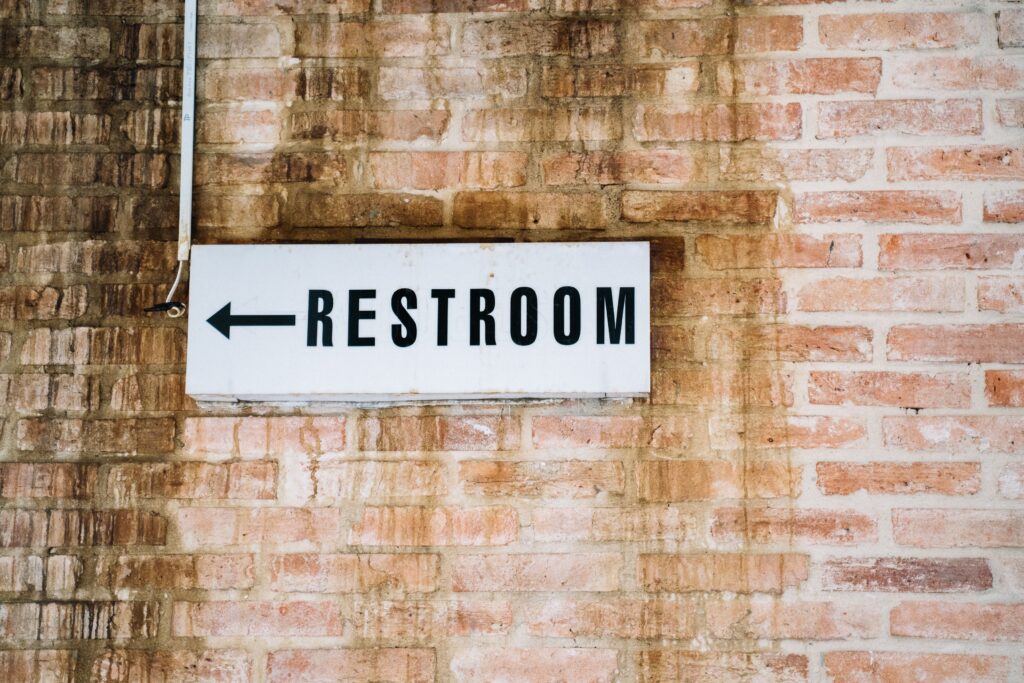
ADA restroom sign are accessibility sign used to identify permanent restroom spaces while meeting applicable ADA requirements. They commonly identify men’s restrooms, women’s restrooms, unisex restrooms, and other permanent toilet facilities. Unlike ordinary printed restroom signs, accessible restroom sign may require tactile information that people can read by touch. This can include raised lettering and Braille.
Professional ADA bathroom signage can also combine accessibility with a clean commercial design. Businesses can choose different materials, colors, finishes, and pictograms while still meeting applicable requirements.
Why Are ADA Restroom Signs Important?
Restrooms are essential facilities in offices, restaurants, hotels, schools, hospitals, shopping centers, and other public buildings. Clear restroom signage helps visitors find these facilities quickly and reduces confusion.
For people who are blind or have low vision, tactile restroom signs provide information that can be identified through touch. Braille and raised characters can make restroom identification more accessible.
Good commercial restroom sign also contribute to an organized wayfinding system. When restroom signs follow a consistent design throughout a building, visitors can move between different areas more confidently.
ADA Restroom Sign Requirements
Understanding ADA restroom sign requirements is important before manufacturing or installing signage. The 2010 ADA Standards include requirements for signs that identify permanent rooms and spaces. The applicable requirements address elements such as tactile characters, Braille, visual contrast, character design, pictograms, finish, and installation.
For projects involving construction or renovation, requirements should be reviewed for the specific facility and applicable jurisdiction.
Raised Letters on ADA Restroom Signs
Where tactile characters are required, letters must be raised so they can be identified by touch. The ADA Standards specify requirements for the height, style, spacing, and other characteristics of raised characters. Tactile characters are generally uppercase and use sans-serif lettering rather than decorative or script fonts.
This makes tactile ADA sign different from standard printed restroom sign.
Braille Restroom Signs
Braille restroom signs are an important part of tactile accessibility. Where tactile signage is required, the sign must also provide the corresponding information in contracted, or Grade 2, Braille.
Sign manufacturers should position Braille according to the applicable ADA specifications. Professional sign manufacturers can incorporate Braille into the sign during the fabrication process.
High-Contrast Accessible Restroom Signs
An accessible restroom sign should be easy to distinguish visually. The ADA Standards require sufficient contrast between visual characters and their backgrounds. For example, a dark background with light characters can create a clear visual distinction. A non-glare finish is also important because excessive reflection can make signage harder to read.
When designing ADA compliant restroom signs, designers should prioritize accessibility over decorative elements
Restroom Pictograms
Many ADA restroom signs use pictograms to help people identify the restroom quickly. Pictograms can provide a simple visual representation of the facility. When designers use pictograms to identify permanent rooms or spaces, they must follow specific requirements for the pictogram field and accompanying text.
A professional sign designer can combine pictograms, tactile text, Braille, and visual information into one clear sign.
ADA Restroom Sign Placement
Correct placement is an important part of ADA restroom signage.
A properly manufactured sign may still cause accessibility problems if installers place it in an unsuitable location. Designers and installers should consider door swings, wall space, clear floor space, and the approach to the sign.
Before installing accessible bathroom signs, review:
- Door swing direction
- Available wall space
- Clear floor space
- Mounting surface
- Adjacent signs
- Visibility from the corridor
- Applicable accessibility requirements
For tactile signs, the ADA Standards specify a vertical mounting range measured from the finished floor.
Types of ADA Restroom Signs
Businesses have several options when choosing commercial ADA restroom signs.
Acrylic ADA Restroom Signs
Acrylic provides a clean and modern appearance. It can work well in offices, restaurants, hotels, healthcare facilities, and retail environments.
Photopolymer ADA Signs
Photopolymer is a popular choice for tactile signage because it accommodates raised characters and Braille while providing a professional appearance.
Metal ADA Restroom Signs
Metal signage can create a more architectural appearance. Options such as aluminum can complement modern commercial interiors.
Custom ADA Restroom Signs
Custom ADA restroom signs allow businesses to coordinate accessibility signage with their interior design.
Customization may include:
- Background colors
- Materials
- Borders
- Finishes
- Pictograms
- Mounting styles
- Room identification
However, customization should not interfere with applicable accessibility requirements.
ADA Bathroom Signs for Different Commercial Facilities
Different buildings can benefit from different signage styles.
Offices
Modern office restroom signs can provide clear identification while matching professional interior environments.
Restaurants
Restaurants need accessible restroom signs that customers can recognize quickly without distracting from the overall interior design.
Healthcare Facilities
Hospitals and clinics often require consistent ADA signage throughout their facilities. Restrooms are one part of a larger wayfinding system.
Hotels
Hotels can use ADA restroom signs alongside room identification, elevator signs, directional signs, and other accessibility signage.
Schools and Universities
Educational facilities can use consistent ADA bathroom signage throughout classrooms, restrooms, offices, corridors, and common areas.
Retail Stores
Retail businesses can use commercial restroom signs that combine clear accessibility information with their interior design.
Common Mistakes With ADA Restroom Signs
Choosing or installing restroom signage without considering accessibility requirements can create unnecessary problems.
Using Only Printed Letters
A standard printed restroom sign does not provide tactile information where tactile signage is required.
Forgetting Braille
For required tactile signs, Braille must be provided according to the applicable standards. This is why professionally manufactured Braille restroom signs are often preferred for commercial projects.
Choosing Poor Contrast
Low-contrast colors can make visual information difficult to distinguish. Choose a clear contrast between the sign background and visual characters.
Using Decorative Fonts
Highly decorative fonts can reduce readability and may not satisfy tactile character requirements.
Installing Signs in the Wrong Location
Sign placement matters. A sign should be positioned so visitors can approach and read it without being blocked by a door swing or other obstruction.
Ignoring Local Requirements
The ADA Standards are not the only consideration for every construction project. State, local, building, and other applicable requirements may also affect a signage project.
How to Choose ADA Restroom Signs
Before ordering ADA compliant restroom signs, consider the following checklist:
- Identify the restroom and its intended use.
- Determine whether tactile signage is required.
- Select appropriate raised lettering.
- Include required Braille.
- Choose strong visual contrast.
- Select a suitable non-glare finish.
- Decide whether a pictogram is appropriate.
- Choose a durable material for the environment.
- Plan the installation location.
- Review applicable ADA and local requirements.
- Confirm the final sign dimensions and specifications.
- Coordinate the restroom sign with the building’s overall wayfinding system.
This approach helps businesses avoid choosing signage based on appearance alone.
ADA Restroom Signs and Wayfinding
ADA restroom signs should be considered part of a larger wayfinding signage system.
A commercial building may use accessibility signs for:
- Restrooms
- Elevators
- Entrances
- Exits
- Stairways
- Offices
- Conference rooms
- Parking areas
- Accessible routes
Using consistent colors, typography, pictograms, and materials can make the entire building easier to navigate.
For large facilities, combining ADA signage with a broader wayfinding strategy can create a clearer experience for visitors.
Frequently Asked Questions About ADA Restroom Signs
Are ADA restroom signs required?
Signs identifying permanent rooms and spaces, including applicable restroom spaces, are covered by ADA sign requirements. The exact requirements depend on the facility and circumstances.
Do ADA restroom signs need Braille?
Where tactile signage is required, the applicable information must be duplicated in contracted Grade 2 Braille.
Do ADA restroom signs need raised letters?
Required tactile signs use raised characters that meet applicable ADA specifications.
Do restroom signs need pictograms?
Pictograms are commonly used for restroom identification. When pictograms are used for permanent rooms or spaces, applicable requirements should be followed.
What colors should ADA restroom signs use?
The ADA Standards focus on appropriate contrast rather than requiring one specific color combination. A clear contrast between visual characters and the background helps improve readability.
How high should an ADA restroom sign be installed?
The ADA Standards establish a specific vertical range for tactile characters measured from the finished floor. Installation should follow the applicable requirements for the particular sign and facility.
What are the best materials for ADA restroom signs?
Acrylic, photopolymer, and metal are among the options used for commercial signage. The best material depends on the facility’s design, environment, durability requirements, and sign specifications.
Final Thoughts
ADA restroom signs play an important role in accessibility, identification, and commercial wayfinding. The right sign combines tactile information, Braille, visual contrast, appropriate design, and correct placement. Whether you need ADA bathroom signs, Braille restroom signs, tactile restroom signs, or custom ADA restroom signs, the design should begin with the applicable accessibility requirements and the needs of the facility.
For commercial construction and renovation projects, review the applicable ADA Standards and local requirements before finalizing your signage.
Need Custom ADA Restroom Signs?
UrbanSign Works can help businesses plan and manufacture professional ADA restroom signage for commercial environments. Share your project requirements, approximate quantities, preferred materials, and design preferences to begin planning your signage.