
Signs are everywhere. We see them on roads, in businesses, schools, hospitals, offices, shopping centers, and public spaces. They help people understand information quickly through words, colors, shapes, symbols, and graphics. But a sign’s meaning can change depending on where it appears and what message it communicates.
A traffic sign may instruct a driver, while a business sign identifies a company. A safety sign can warn people about a potential hazard. This guide explains signage meaning, common types of signs, traffic signs, symbols, and the everyday examples you encounter without thinking twice.
What Does Signage Mean?
Quick answer: Signage meaning refers to the message or information communicated by a sign. A sign can tell people what to do, where to go, what to avoid, or what they can expect in a particular location.
Signs commonly use:
- Text
- Symbols
- Colors
- Shapes
- Arrows
- Numbers
- Images
- Logos
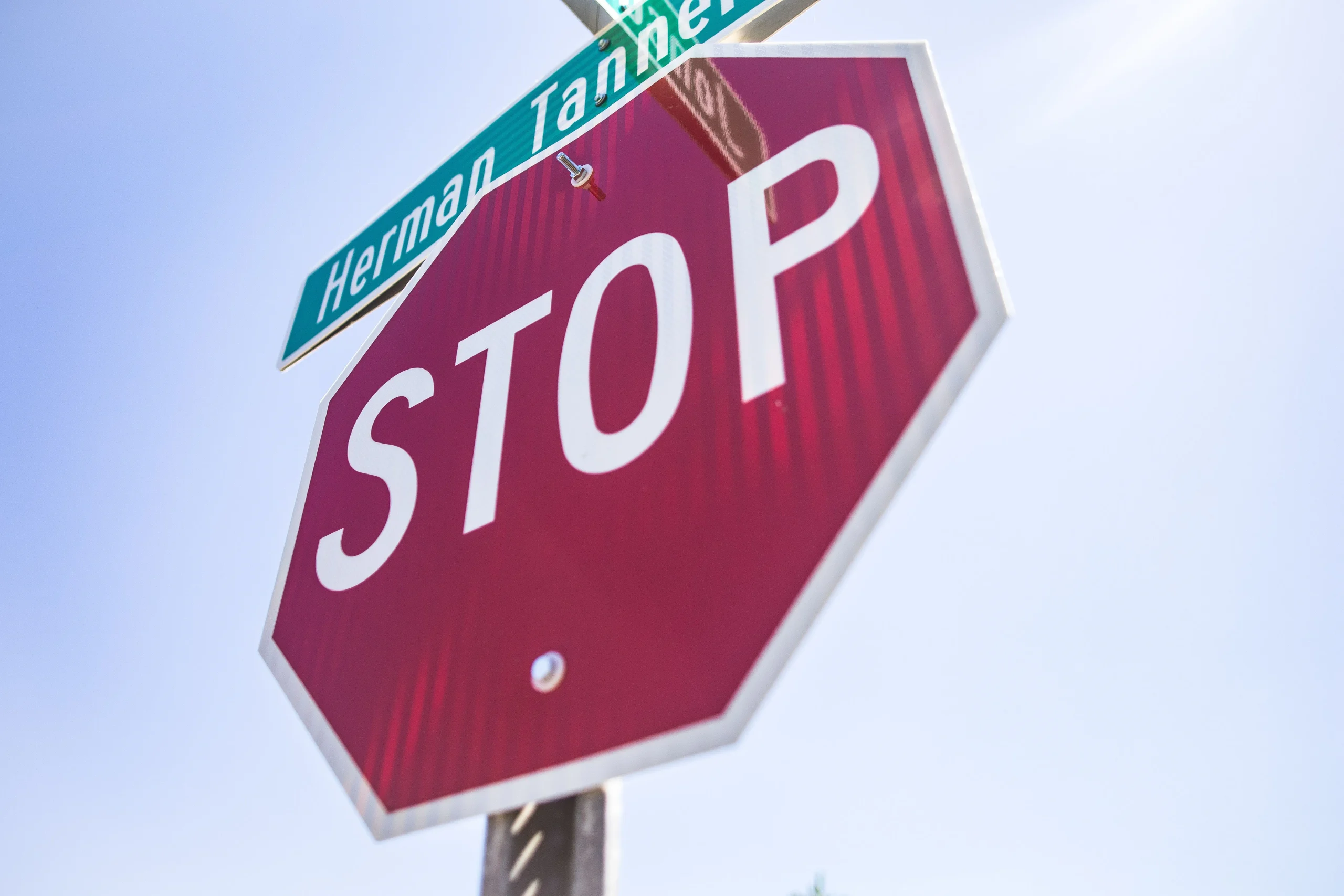
A well-designed sign communicates its message clearly and quickly. A STOP sign tells drivers to stop, while an arrow sign directs visitors toward a particular location. No explanation needed — that’s the whole point.
What Is a Sign?
A sign is a visual communication tool that provides information, instructions, warnings, directions, identification, or advertising. Signs appear in many forms:
- Traffic signs
- Safety signs
- Business signs
- Directional signs
- Wayfinding signs
- Building signs
- Parking signs
- Exit signs
- Warning signs
- Informational signs
The purpose of each sign determines its design, placement, colors, symbols, and wording.
Traffic Signs Meaning
Traffic sign meaning is one of the most common interpretations of the keyword “signs meaning.” Road signs communicate important information to drivers, pedestrians, and cyclists — helping road users understand traffic rules, identify hazards, follow directions, and make safer decisions.
Regulatory Traffic Signs
Regulatory signs communicate rules or restrictions that road users must follow:
- Stop
- Yield
- Speed limit
- No parking
- No entry
- One way
- No U-turn
- Keep right
Warning Traffic Signs
Warning signs alert road users to potential hazards or changes in road conditions:
- Sharp turns
- Pedestrian crossings
- School zones
- Slippery roads
- Road construction
- Railroad crossings
- Animal crossings
Guide and Information Signs
Guide signs help people find destinations and navigate roads. They may identify streets, highways, exits, airports, hospitals, parking areas, rest areas, and tourist destinations. The exact design and classification of traffic signs can vary by country and road authority.
The Meaning of Signs and Symbols
The meaning of signs and symbols often depends on the visual elements used to communicate a message. A symbol can communicate an idea without a long sentence. For example:
- A crossed-out cigarette commonly indicates no smoking.
- A wheelchair symbol identifies an accessible facility or route.
- A triangle with an exclamation mark can indicate a warning.
- A restroom symbol identifies toilet facilities.
- An arrow commonly provides directional information.
- A fire extinguisher symbol identifies the location of firefighting equipment.
Combining symbols with clear text makes a sign easier to understand — the symbol catches the eye, and the text confirms the details.
Examples of Signs You See Every Day
| Sign name | Main purpose |
|---|---|
| Traffic sign | Controls or guides road users |
| Warning sign | Alerts people to hazards |
| Safety sign | Communicates safety information |
| Directional sign | Shows people where to go |
| Wayfinding sign | Helps people navigate an environment |
| Business sign | Identifies a business |
| Exit sign | Identifies an exit route |
| Parking sign | Provides parking information |
| Building sign | Identifies a building or facility |
| Informational sign | Provides useful information |
Understanding the sign name makes it easier to identify its intended function.
Everyday examples:
- Stop sign — instructs drivers to stop and proceed only when safe and permitted.
- Speed limit sign — communicates the maximum permitted speed for a road or area.
- No parking sign — indicates parking is prohibited or restricted in the designated area.
- Exit sign — identifies a route or doorway used to leave a building.
- Directional sign — helps visitors find a destination, room, building, or facility.
- Business sign — identifies a company, store, restaurant, or office.
- Parking sign — provides information about parking availability, restrictions, or designated spaces.
Signs Meaning in Health and Medical Settings
People searching “signs meaning in health” may mean the signs used in healthcare environments. In hospitals and clinics, signs help patients, visitors, and staff navigate the building and understand important instructions — emergency signs, pharmacy signs, hospital department signs, restroom signs, no-smoking signs, hand-washing signs, restricted-area signs, fire safety signs, accessible route signs, and exit signs.
Medical meaning of “signs”: In medicine, the word sign can also describe an observable or measurable indication of a health condition. This differs from a symptom, which refers to something a person experiences or reports. Because medical signs can have many possible causes, consult a qualified healthcare professional for medical concerns rather than relying on general online information.
Signs Meaning in English
The word sign has several meanings in English:
- A visual display — “The store installed a new sign above the entrance.”
- An indication — “Dark clouds can be a sign of rain.”
- A symbol — “The symbol is a sign of accessibility.”
- A business display — “The company’s name appears on the building sign.”
- A gesture — hand movements and facial expressions in sign language.
Common Colors and Their Sign Meanings
Colors help people recognize a sign’s purpose at a glance:
| Color | Commonly communicates |
|---|---|
| Red | Stop, prohibition, danger, emergency |
| Yellow | Warning, caution, potential hazards |
| Green | Safety, exit routes, permission, certain information |
| Blue | Information, instructions, required actions |
| Orange | Temporary warnings, road work, construction information |
Color meanings can vary by country, industry, and applicable standards — always check the system in use where the sign will be installed.
How Sign Shapes Communicate Meaning
Shape alone can tell people a sign’s general purpose before they read a word:
- Octagon — strongly associated with STOP signs.
- Triangle — commonly used for warnings or yield-related signs, depending on the country’s road-sign system.
- Circle — often used for regulatory messages or restrictions.
- Rectangle — commonly provides information, directions, or identification.
- Diamond — commonly used for warnings in several road-sign systems.
Why Are Signs Important?
- They improve communication — information delivered without anyone having to explain it directly.
- They support safety — warning and safety signs alert people to hazards and procedures.
- They improve navigation — directional and wayfinding signs help people reach destinations.
- They identify locations — building and business signs make places easier to recognize.
- They organize spaces — signs organize parking areas, offices, campuses, hospitals, and stores.
- They strengthen brands — business signage establishes a recognizable visual identity.
What Makes a Good Sign?
- Readable text — typography people can read from the intended viewing distance.
- Strong contrast — sufficient contrast between lettering, symbols, and background.
- Simple message — concise; no unnecessary information.
- Appropriate size — enough visual prominence for its location.
- Recognizable symbols — familiar symbols where they improve understanding.
- Proper placement — installed where the intended audience can see it easily.
- Consistent design — consistent fonts, colors, symbols, and layouts across related signage.
If you’re planning signage for a business and want these principles applied to your own project, get a free 3D mockup to see your design before it’s fabricated.
Signs and Symbols in Everyday Life
People interact with signs and symbols all day — driving, shopping, entering an office, visiting a hospital, walking through a parking lot, using public transportation, finding a restroom, locating an emergency exit, entering a restaurant, navigating a large building. Because signs communicate information quickly, they remain an essential part of modern environments.
Frequently Asked Questions About Sign Meaning
What does “signage meaning” mean?
Signage meaning refers to the message, information, instruction, warning, direction, or idea communicated by a sign.
What are traffic signs?
Traffic signs communicate road rules, warnings, directions, and information to drivers, pedestrians, and cyclists.
What are the main types of traffic signs?
Traffic signs are commonly divided into regulatory, warning, and guide or informational categories, although classifications differ between countries.
What is an example of a sign?
Examples include stop signs, speed-limit signs, warning signs, exit signs, parking signs, business signs, and directional signs.
What is the meaning of signs and symbols?
Signs and symbols use words, graphics, shapes, and visual elements to communicate information, instructions, warnings, or ideas. A sign communicates a message; a symbol is a graphic that conveys an idea. A sign can contain one or more symbols.
What is a sign name?
A sign name identifies a particular type of sign — traffic sign, warning sign, directional sign, business sign, safety sign — and usually describes its purpose or category.
What does a red sign usually mean?
Red commonly communicates stopping, prohibition, danger, or emergency information, depending on the specific sign system.
Why are signs important?
Signs help people navigate spaces, understand rules, recognize hazards, find destinations, identify businesses, and access important information. More questions are answered in the signage FAQ.
Need Signs With Clear Meaning for Your Business?
Understanding what signs mean is the first step. The second is making sure your own signs communicate exactly what you intend — readable, recognizable, and built for their environment. Request a free quote for custom signage, or contact us to discuss your project.