
Neon Light Sign: A Complete Guide for Modern Businesses
A neon light sign can do more than illuminate a wall or storefront. The right design can make a brand easier to recognize, create a strong visual focal point, and give a commercial space a distinctive identity after dark. Modern businesses increasingly use LED neon signs for storefronts, restaurants, bars, salons, gyms, retail stores, offices, events, and branded interior spaces. Unlike traditional glass neon, LED-based designs can use flexible illuminated tubing and custom acrylic backings to create words, logos, symbols, and unique shapes.
The important question is not simply whether a neon sign looks attractive. It is whether the sign fits your location, viewing distance, brand, message, mounting surface, and intended use.
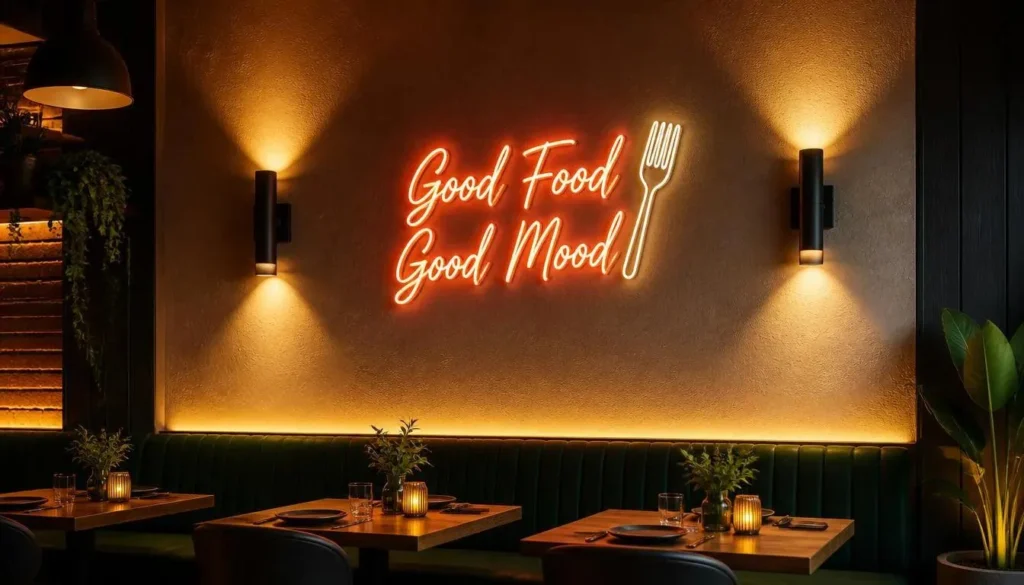
What Is a Neon Light Sign?
A neon light sign is an illuminated sign designed to display text, logos, graphics, symbols, or decorative shapes using glowing light. Traditional neon signs use glass tubes filled with gas and electrically energized to produce light. Modern LED alternatives recreate the familiar neon appearance using LED illumination inside flexible tubing or other fabricated components. This distinction matters when selecting a sign. Traditional glass neon and LED neon can produce a similar visual effect, but their construction, installation requirements, maintenance considerations, and design possibilities differ.
For many contemporary commercial applications, LED neon signs are attractive because they can be fabricated into custom shapes and lettering while maintaining the recognizable continuous glow associated with neon.
Why Businesses Use Neon Signs
A well-designed neon sign can serve several purposes at the same time.
Brand Visibility
Illuminated lettering can help a business remain visually noticeable when natural light decreases. This can be particularly useful for restaurants, entertainment venues, retail businesses, and other locations that operate during evening hours.
Stronger Visual Identity
A custom neon sign can turn a logo, slogan, word, or symbol into part of the physical environment.
For example, a restaurant might use its logo behind the counter, while a clothing store could install a branded neon feature near the entrance.
Interior Atmosphere
Not every neon and sign installation needs to face a street.
Interior neon can create a focal point in:
- Restaurant dining areas
- Hotel lobbies
- Retail stores
- Reception areas
- Gyms
- Salons
- Entertainment venues
- Event spaces
- Photo areas
Memorable Customer Experiences
A distinctive illuminated installation can become part of the environment customers associate with a business. A strategically positioned sign can also provide a recognizable background for customer photographs and branded social content. The goal, however, should be more than simply making something bright. The design should reinforce the business’s identity and communicate something meaningful.
LED Neon Signs vs. Traditional Neon
When comparing a traditional neon sign with an LED alternative, look beyond appearance.
| Factor | Traditional Glass Neon | LED Neon |
|---|---|---|
| Appearance | Classic neon glow | Neon-style continuous glow |
| Construction | Glass tubes | Flexible LED tubing or LED components |
| Custom shapes | Possible but fabrication-dependent | Highly adaptable for many designs |
| Weight | Can be relatively heavy | Generally lightweight compared with glass construction |
| Fragility | Glass requires careful handling | No glass neon tube |
| Branding | Excellent for classic neon aesthetics | Excellent for modern custom branding |
| Applications | Decorative and commercial | Interior, retail, hospitality, events and selected exterior applications |
| Design flexibility | Dependent on glass fabrication | Flexible options for lettering, logos and shapes |
The correct choice depends on the project rather than on a single universal winner.
What Makes a Good Custom Neon Sign?
A custom neon sign should be designed around the environment in which it will be installed.
Before fabrication, consider five key factors.
1. Message
Keep the message easy to understand.
A short business name, logo, slogan, or phrase is generally easier to read than a long sentence, especially when viewers see the sign from a distance.
2. Size
The sign needs to be large enough for its intended viewing distance.
A small wall-mounted sign may work perfectly inside a reception area but become difficult to read when positioned high above a storefront.
3. Font
Decorative fonts can look attractive in design software but become difficult to read when illuminated.
For business signage, readability should come before unnecessary complexity.
4. Color
Color should support the brand and surrounding environment.
A neon sign custom-designed for a luxury hotel, for example, may require a different visual treatment than a vibrant sign for a restaurant or entertainment venue.
5. Location
The mounting position influences visibility, viewing angle, installation requirements, and the overall appearance of the sign.
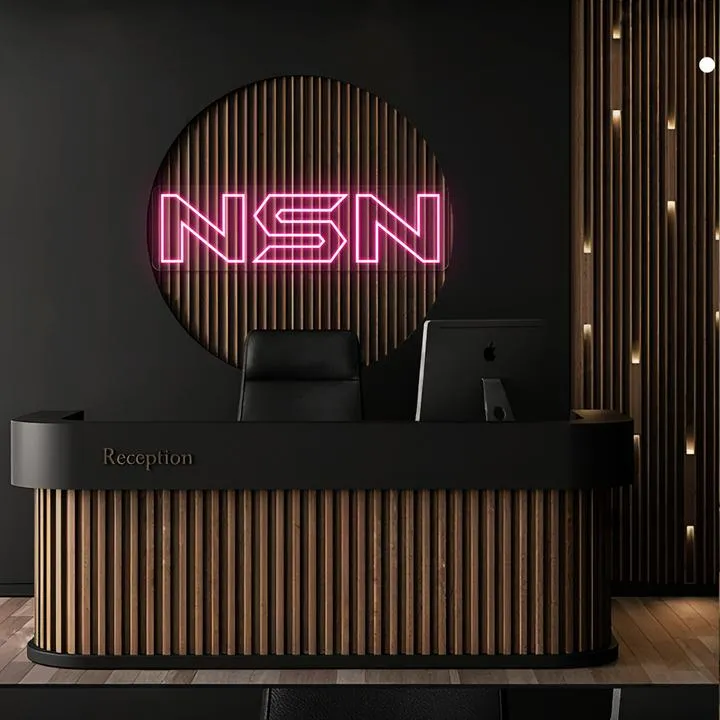
Where Can You Use a Neon Light Sign?
One advantage of modern neon-style signage is its range of applications.
Restaurants and Cafés
Restaurants can use neon to display a logo, short slogan, menu-related phrase, or decorative graphic. A feature wall can also help establish a recognizable atmosphere.
Retail Stores
Retailers can use illuminated branding near entrances, checkout areas, display walls, or product zones.
Bars and Entertainment Venues
Neon has a long association with nightlife and entertainment. Modern LED versions can provide the same visual character while allowing businesses to create customized graphics and lettering.
Salons and Beauty Businesses
A carefully designed LED neon sign can complement a salon’s interior branding and create a distinctive reception or photo area.
Gyms and Fitness Studios
Motivational phrases, logos, and branded graphics can work well as feature-wall signage in fitness environments.
Offices
A company logo or short brand statement can be used as illuminated reception signage or an interior brand feature.
Events and Brand Activations
Custom neon can also be used for temporary environments such as product launches, weddings, exhibitions, pop-ups, and promotional events.
Custom Neon Sign or Standard Sign?
The choice depends on what you need the sign to accomplish.
| If your priority is… | Consider… |
|---|---|
| Creative brand expression | Custom neon |
| A logo or unique graphic | Custom neon |
| A decorative feature wall | LED neon |
| Architectural exterior branding | Illuminated dimensional signage |
| Long-distance storefront identification | Channel letters or other exterior signage |
| Temporary event branding | Custom LED neon |
| Interior atmosphere | LED neon |
| Traditional vintage appearance | Glass neon |
This is why neon sign custom projects should begin with the intended application rather than simply selecting a shape or color.
How to Plan a Neon Sign Custom Project
A successful project starts before fabrication.
Step 1: Define the Objective
Decide whether the sign is primarily for:
- Brand identification
- Storefront visibility
- Interior branding
- Decoration
- Wayfinding
- Events
- Customer experience
- Promotional use
Select the Installation Location
Identify the exact wall, window, storefront, reception area, stage, or other location.
Take photographs and approximate measurements before requesting a quote.
Prepare Your Artwork
Provide your logo or artwork in the best available format.
Vector artwork is particularly useful for custom fabrication because it allows the design to be scaled while maintaining clean shapes.
Choose the Design
Consider:
- Lettering
- Logo shape
- Font
- Dimensions
- Color
- Backing
- Mounting method
- Indoor or outdoor environment
Review the Mockup
A design mockup can help you understand how the finished neon sign may look in its intended environment.
Pay particular attention to scale and readability rather than evaluating the design only on a computer screen.
Confirm Installation Requirements
For commercial projects, confirm the mounting surface, electrical requirements, access, installation conditions, and any applicable local approvals before fabrication or installation.
Neon Light Sign Installation Considerations
Installation should be planned according to the specific sign and site.
A wall-mounted interior sign may have very different requirements from an exterior installation exposed to weather.
Before installation, consider:
- Mounting surface
- Sign dimensions and weight
- Electrical connection
- Power supply location
- Cable routing
- Accessibility for servicing
- Indoor or outdoor exposure
- Weather protection where applicable
- Local sign and electrical requirements
- Property-owner or landlord approval
Electrical and building requirements can vary by location, so commercial projects should be reviewed against the applicable local requirements rather than relying on a generic national assumption.
Maintenance and Long-Term Considerations
Modern LED neon can reduce some of the concerns associated with fragile glass tubing, but every illuminated sign still requires appropriate installation and maintenance. Keep the sign clean, inspect visible components periodically, and address electrical or illumination problems rather than allowing a small fault to develop into a larger service issue. For exterior applications, the construction and environmental rating of the specific product are particularly important.
When requesting a quote, ask the manufacturer or sign company what materials, illumination components, power supplies, weather protection, and warranty terms are included in the proposed specification.
Common Neon Sign Mistakes
A beautiful design can still perform poorly if the project is planned incorrectly.
Using Too Much Text
Long messages can become difficult to read, particularly from a distance.
Choosing Style Over Readability
An elaborate font may look impressive in a mockup but lose clarity when illuminated.
Ignoring Viewing Distance
The sign should be sized according to where people will see it.
Treating Every Installation as an Outdoor Sign
Interior and exterior applications have different environmental requirements.
Forgetting the Mounting Surface
A design should account for the actual wall, glass, brick, metal, or other surface where the sign will be installed.
Selecting Color Without Considering the Environment
The surrounding wall, lighting, brand colors, and viewing conditions all influence how a neon light sign appears.
Focusing Only on the Sign
The surrounding architecture matters too. A strong sign can be weakened by poor placement, visual clutter, competing lighting, or an unsuitable background.
A Simple Neon Sign Decision Framework
Use this quick framework before ordering.
START
  ↓
What is the sign's main purpose?
  ↓
Branding / Décor / Visibility / Event
  ↓
Where will it be installed?
  ↓
Interior / Window / Storefront / Exterior
  ↓
How far will viewers be?
  ↓
Close / Medium / Long distance
  ↓
What must viewers understand?
  ↓
Logo / Name / Phrase / Graphic
  ↓
Does the design remain readable at the intended distance?
  ↓
YES → Review mounting + electrical + environmental requirements
  ↓
NO → Simplify or resize the design
  ↓
Finalize fabrication specification
What Should You Ask Before Ordering Neon Signs?
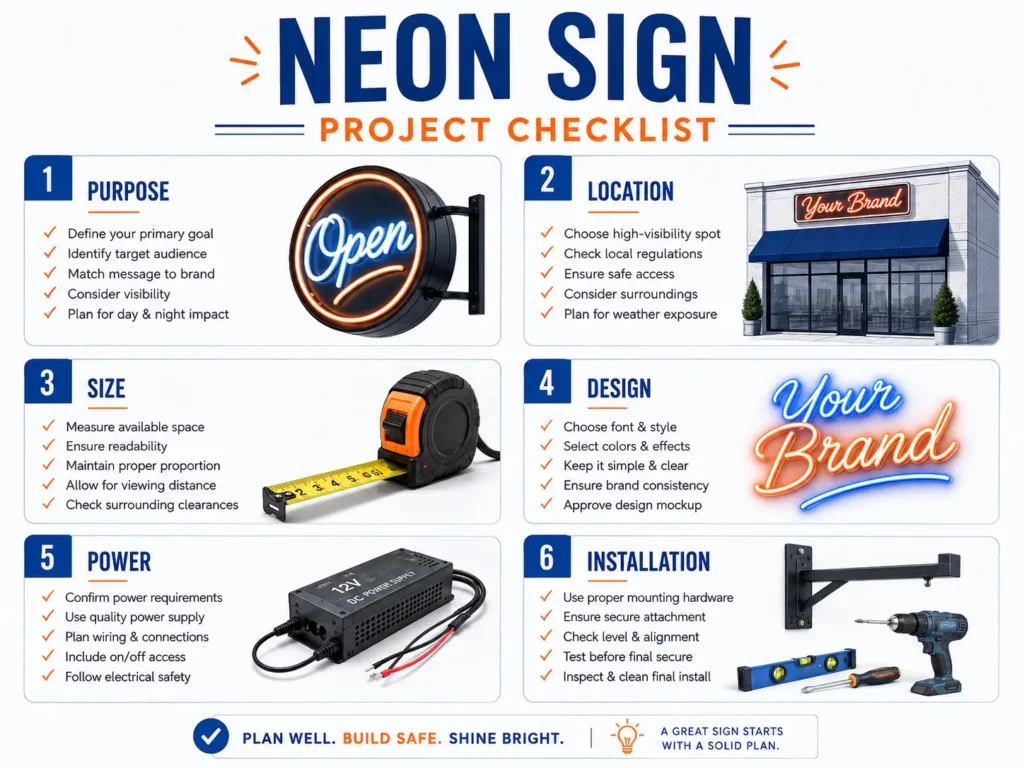
Before approving a project, ask the sign provider:
- Does the proposed design fit the installation location?
- Which materials will you use for the illuminated tubing and backing?
- Will you install the sign indoors or outdoors?
- Which mounting method do you recommend?
- Where will you place the power supply?
- What maintenance access will the sign require?
- Do local permits or property approvals apply?
- Can you provide a realistic installation mockup?
- What does the fabrication and installation scope include?
- What warranty covers the sign and its electrical components?
These questions help turn a simple neon and sign idea into a clearly defined commercial signage project.
Why Custom LED Neon Signs Are Worth Considering
A modern LED neon sign can serve multiple purposes within a single installation, including illumination, branding, interior décor, and visual communication. The most effective signage projects are not always the brightest or most complex. Instead, they are designed to complement the brand, viewing environment, and available space. For a restaurant, this may be a recognizable logo behind the host stand. A retail store might use a branded feature near the entrance, while an office could showcase a clean illuminated logo in reception. For events, a custom phrase or graphic can create a memorable visual experience.
The important part is matching the neon sign custom design to the actual purpose.
Get a Custom Neon Sign Recommendation
If you’re planning a commercial neon light sign, start with the basics: your logo or artwork, approximate dimensions, installation location, photographs of the site, and the purpose of the sign.
UrbanSign Works can use that information to help evaluate the appropriate signage approach, fabrication considerations, installation assumptions, and project scope before preparing a final quote.